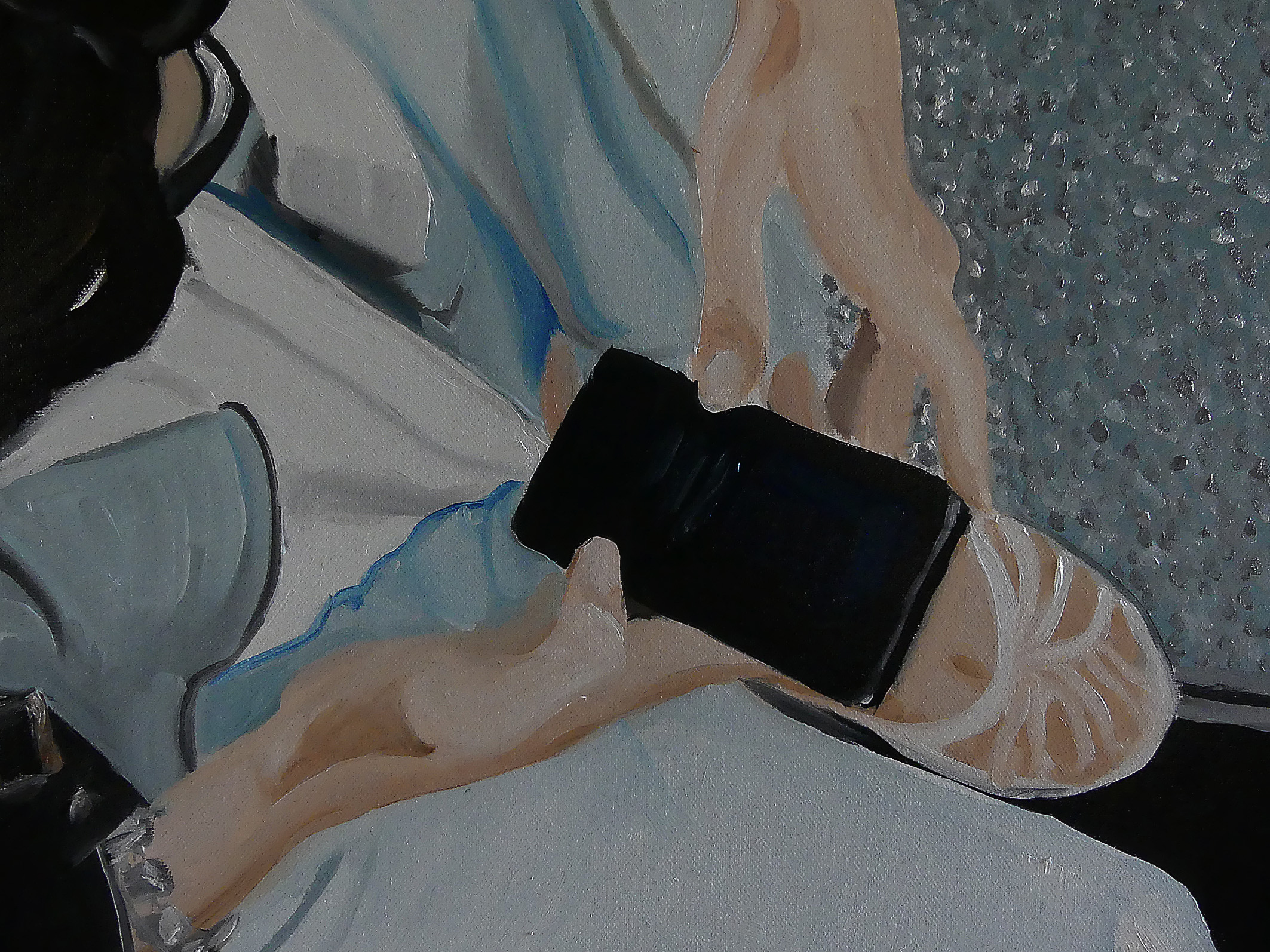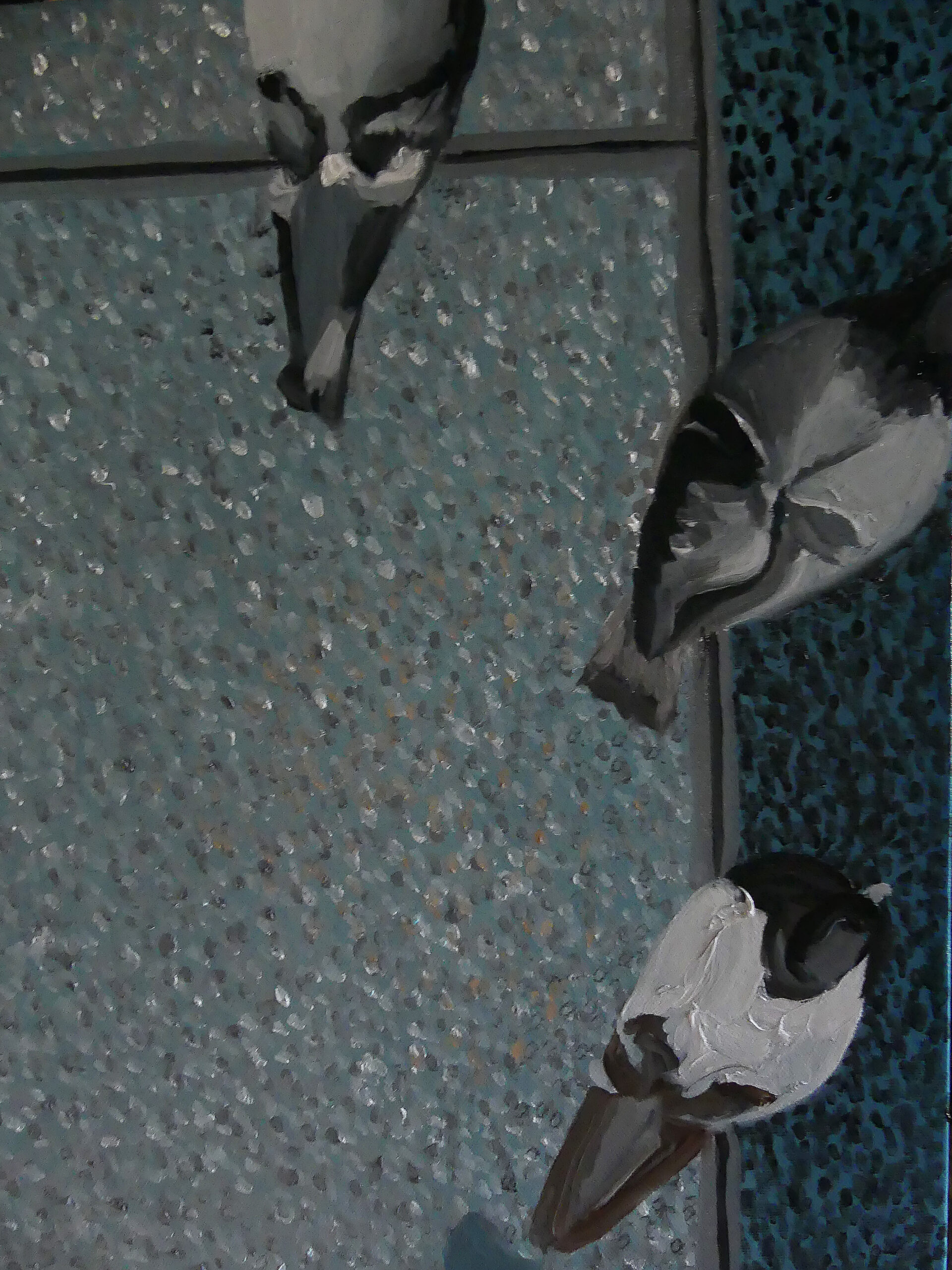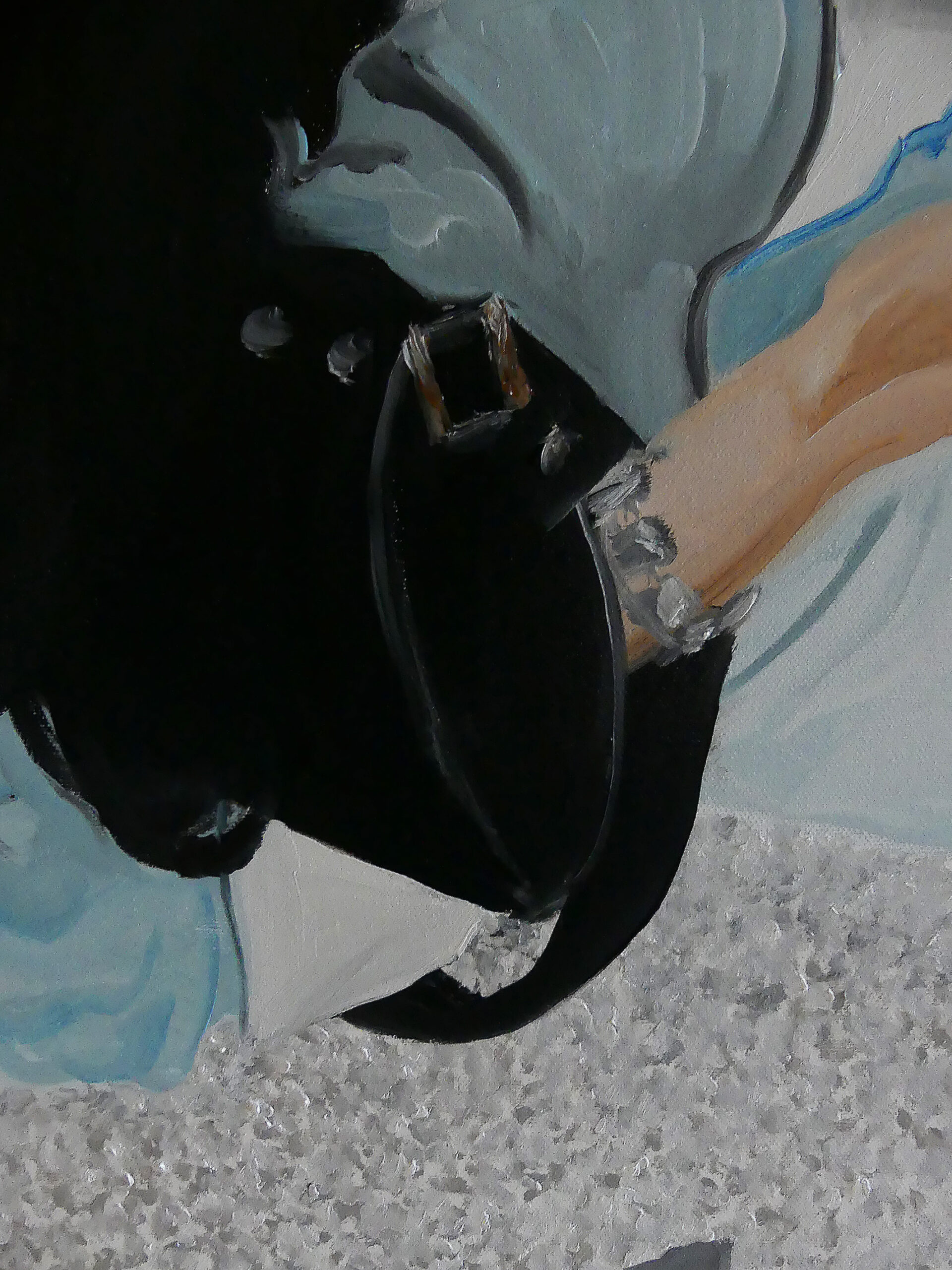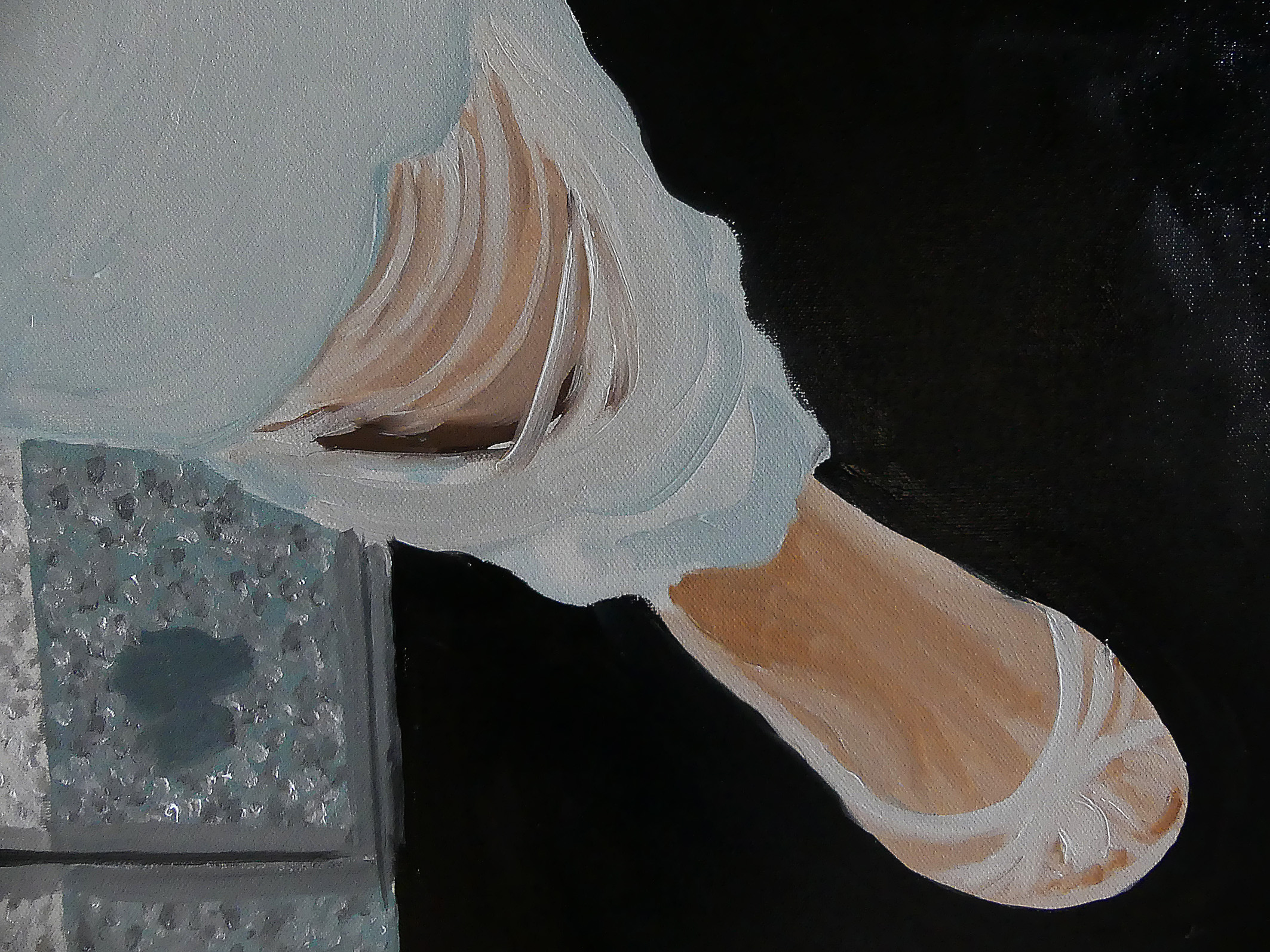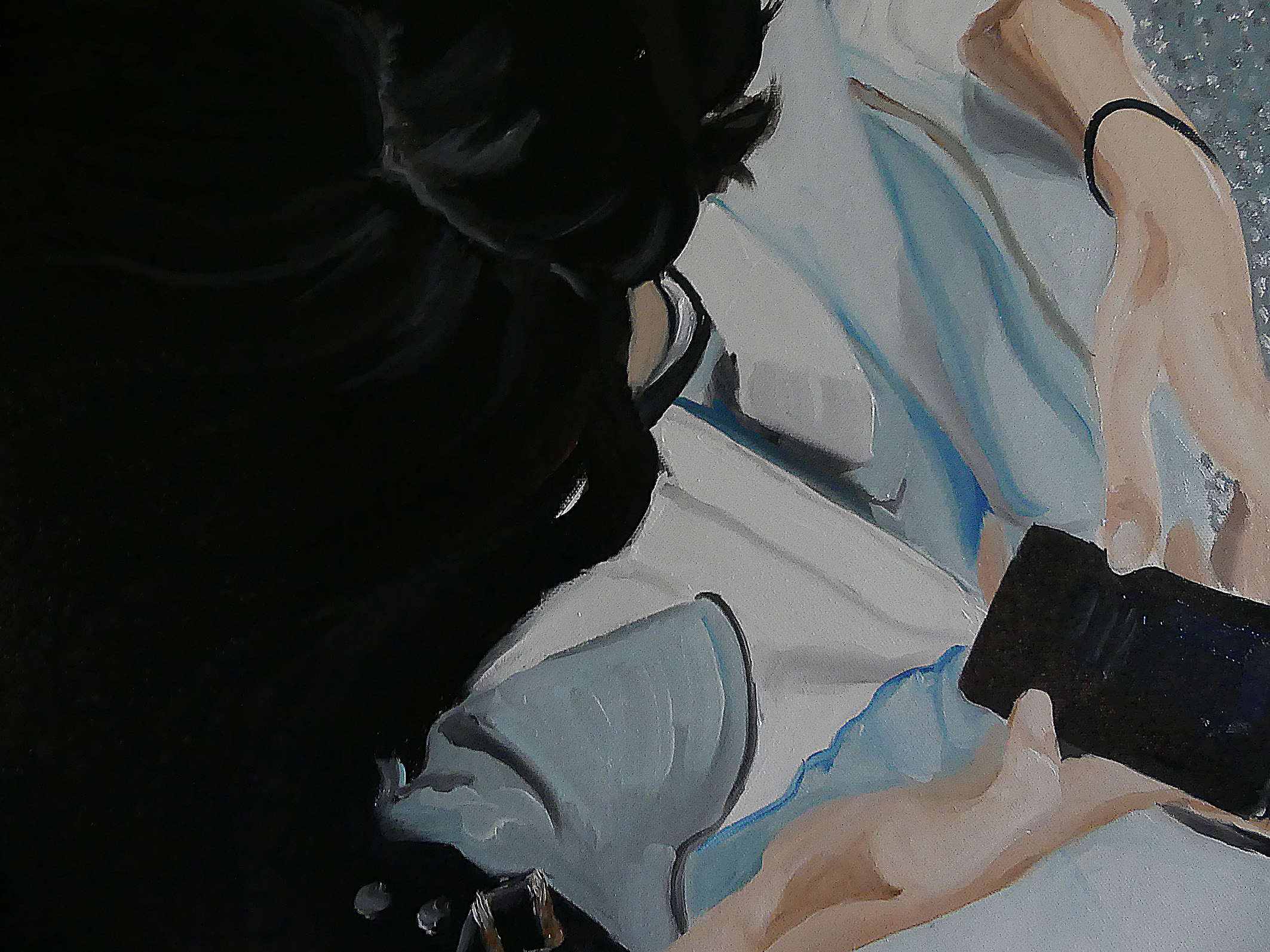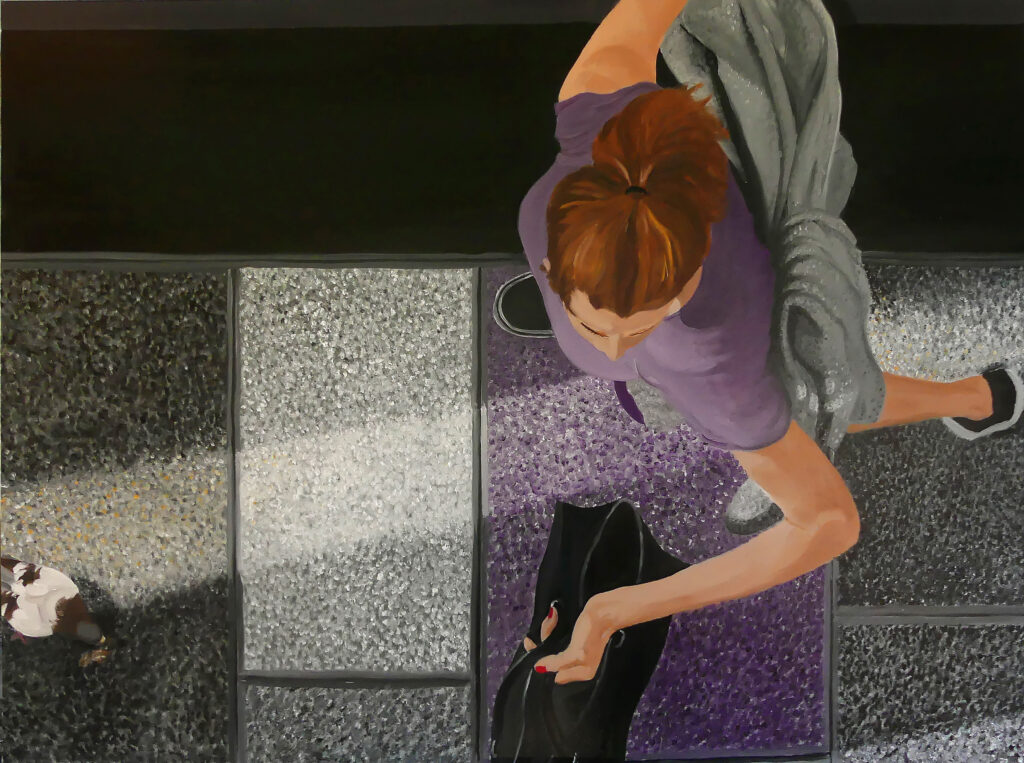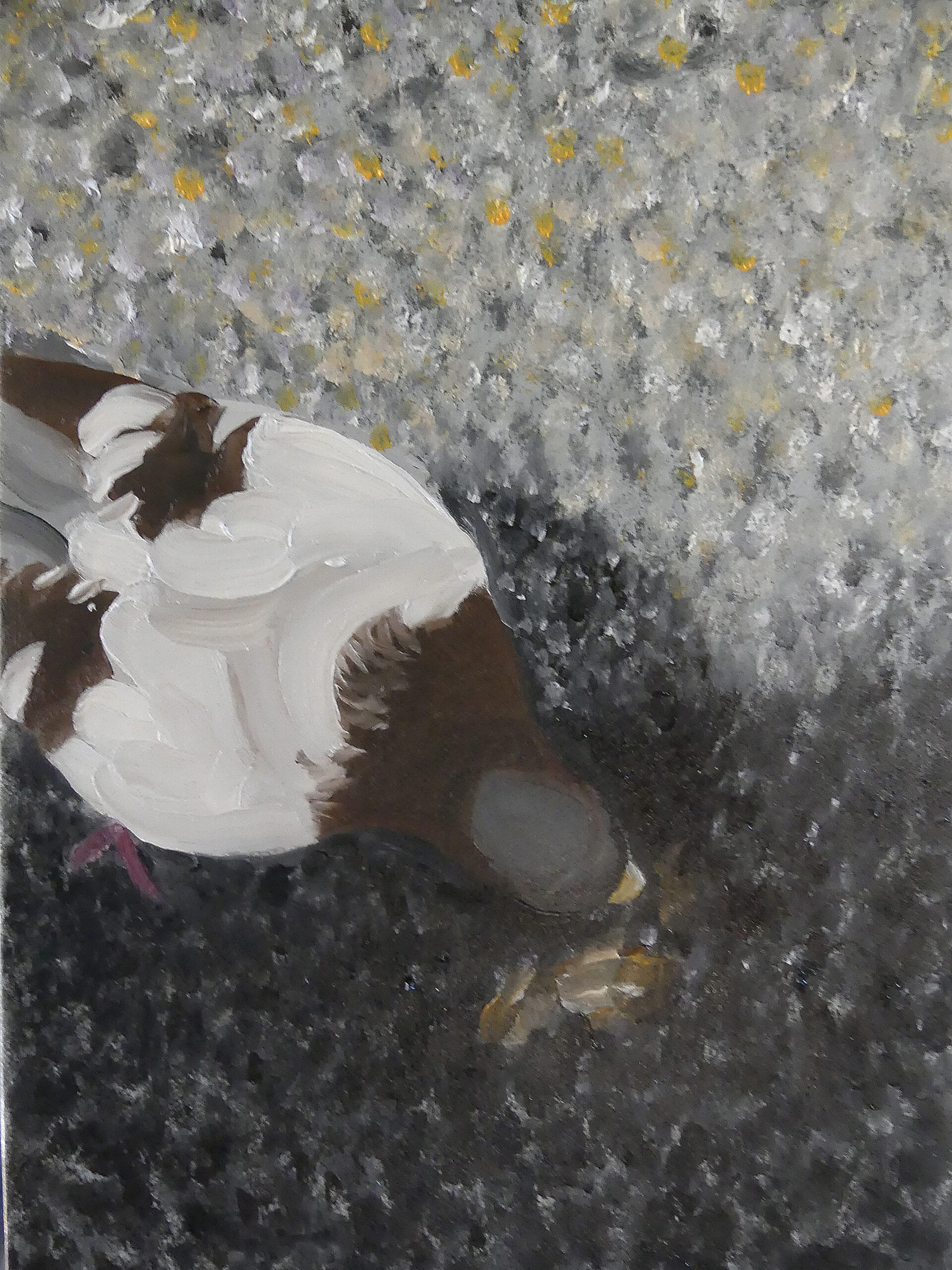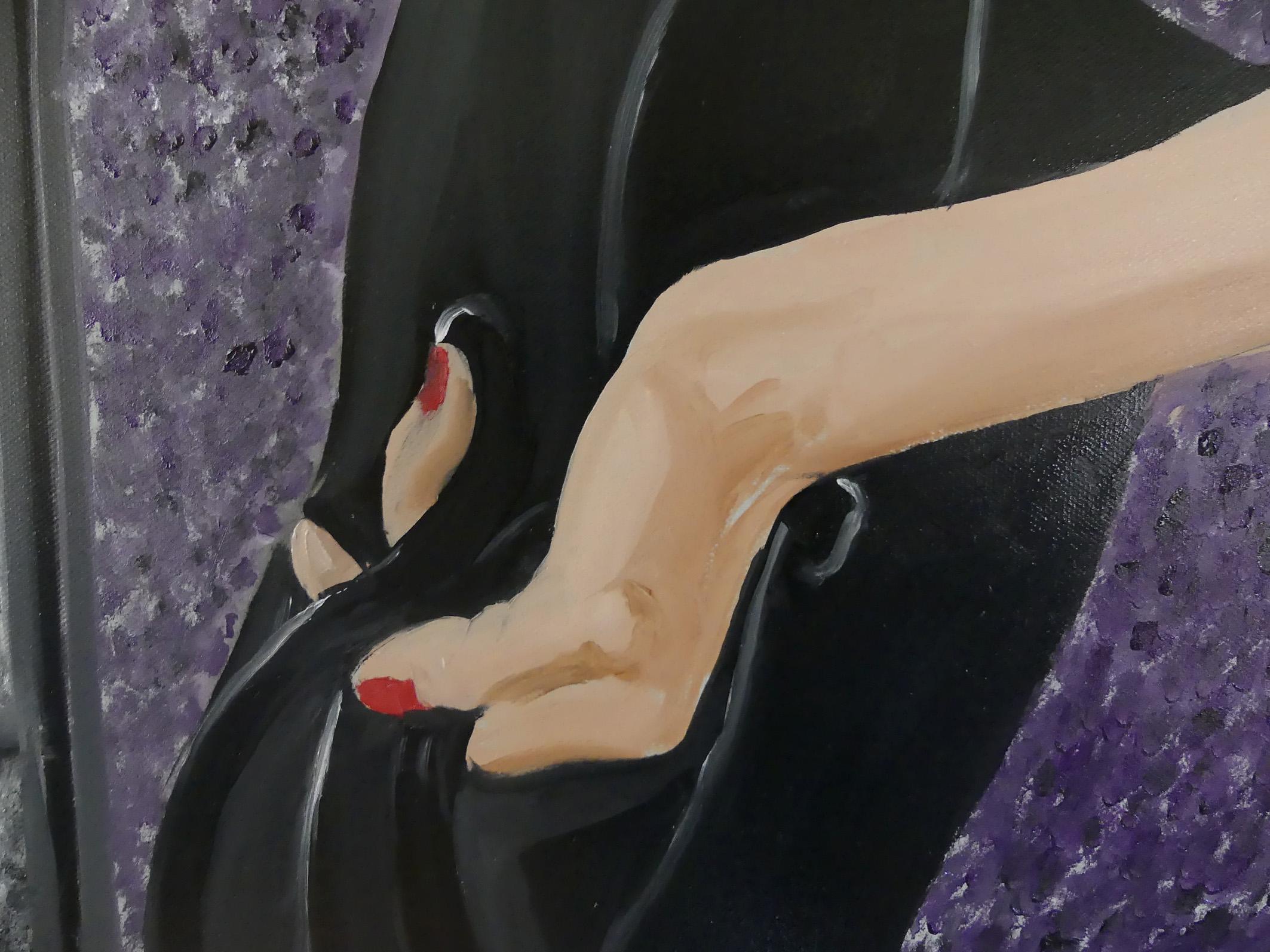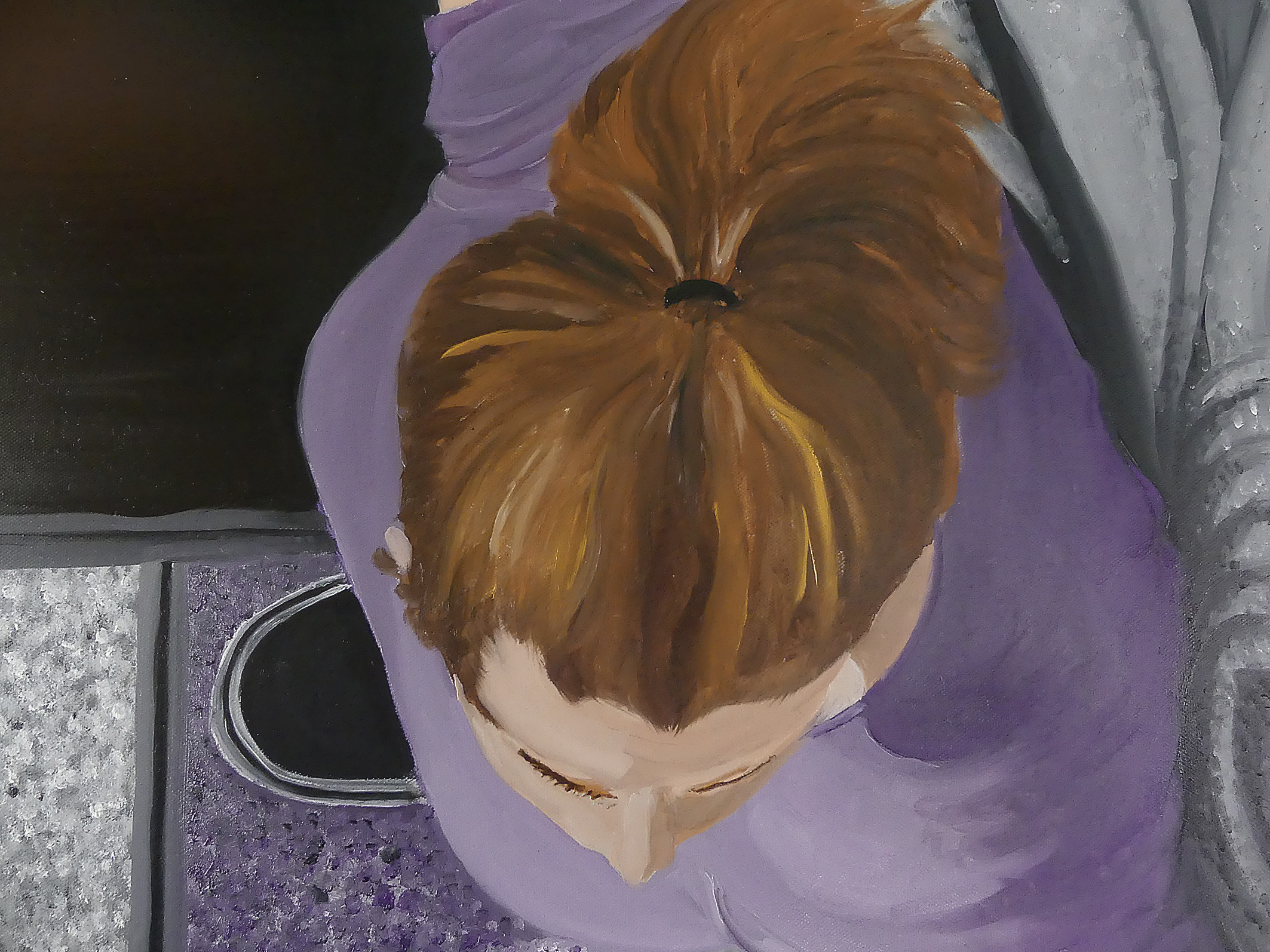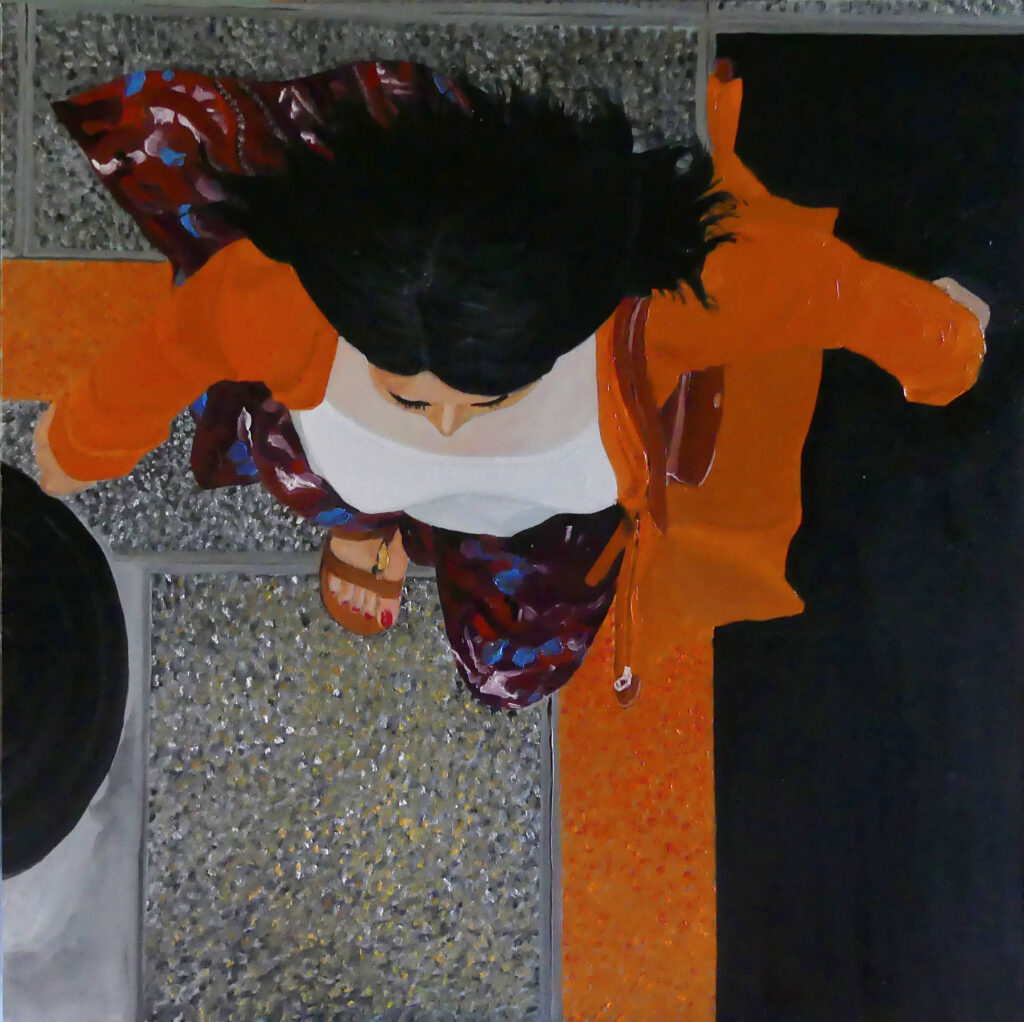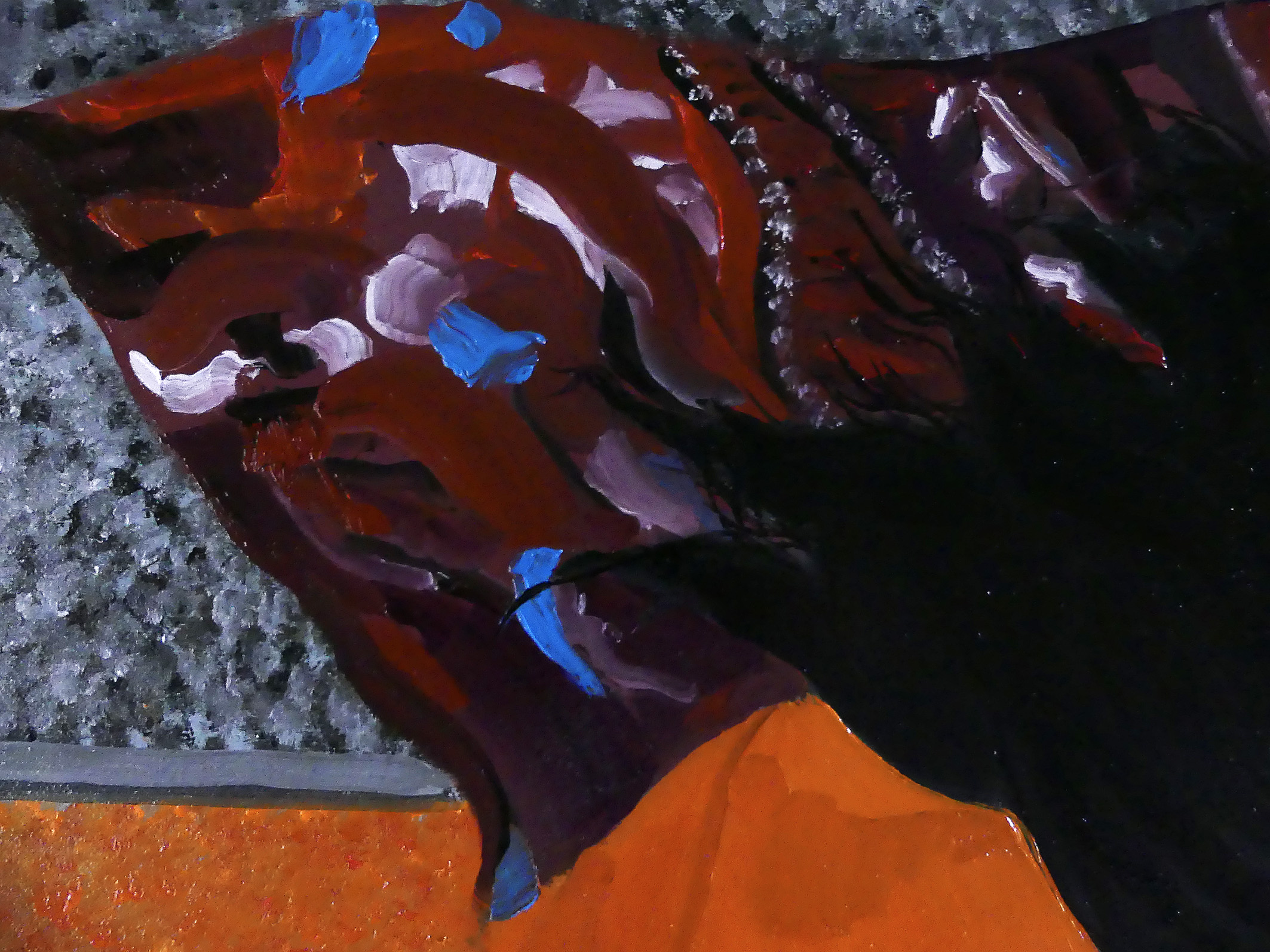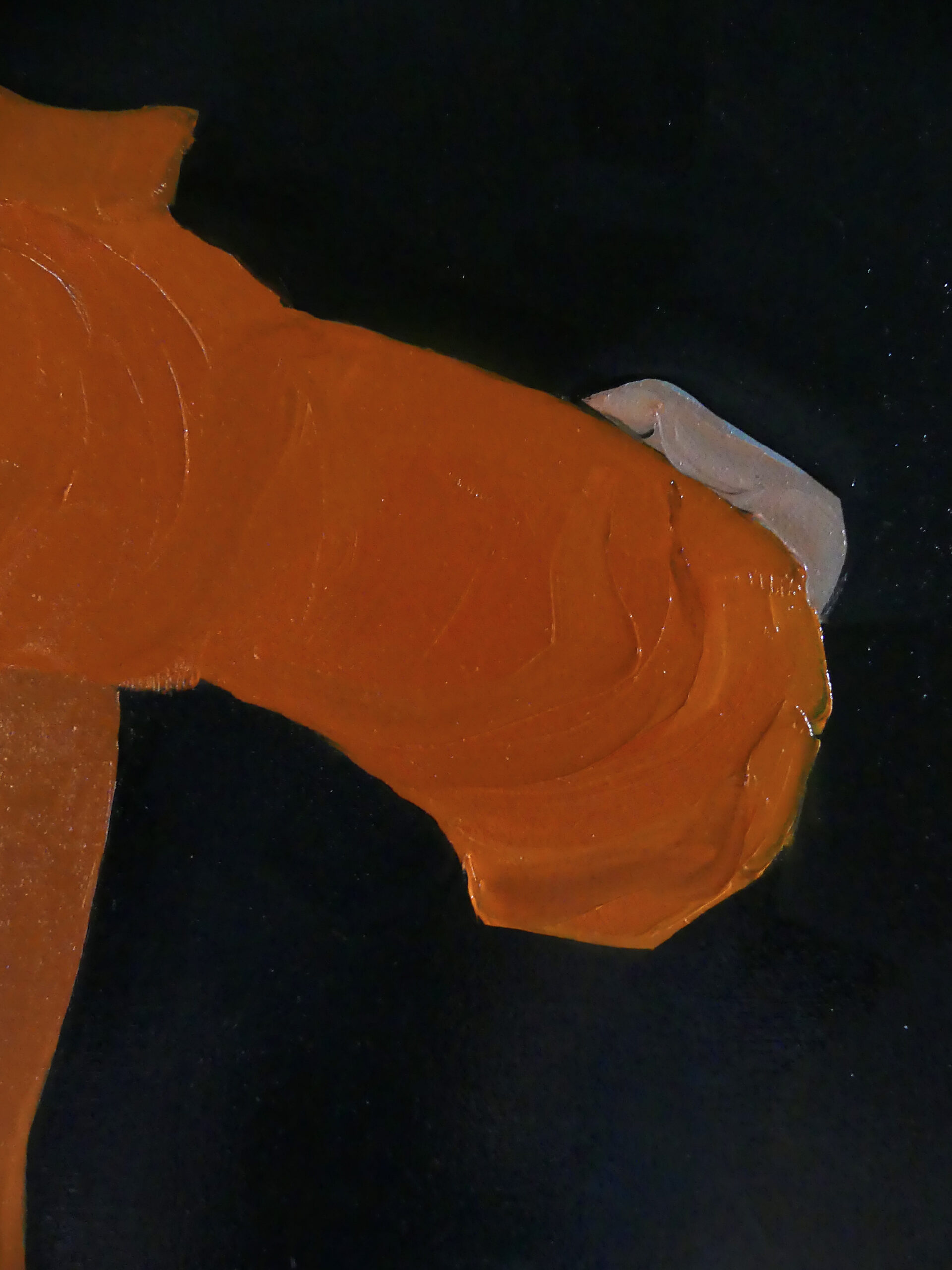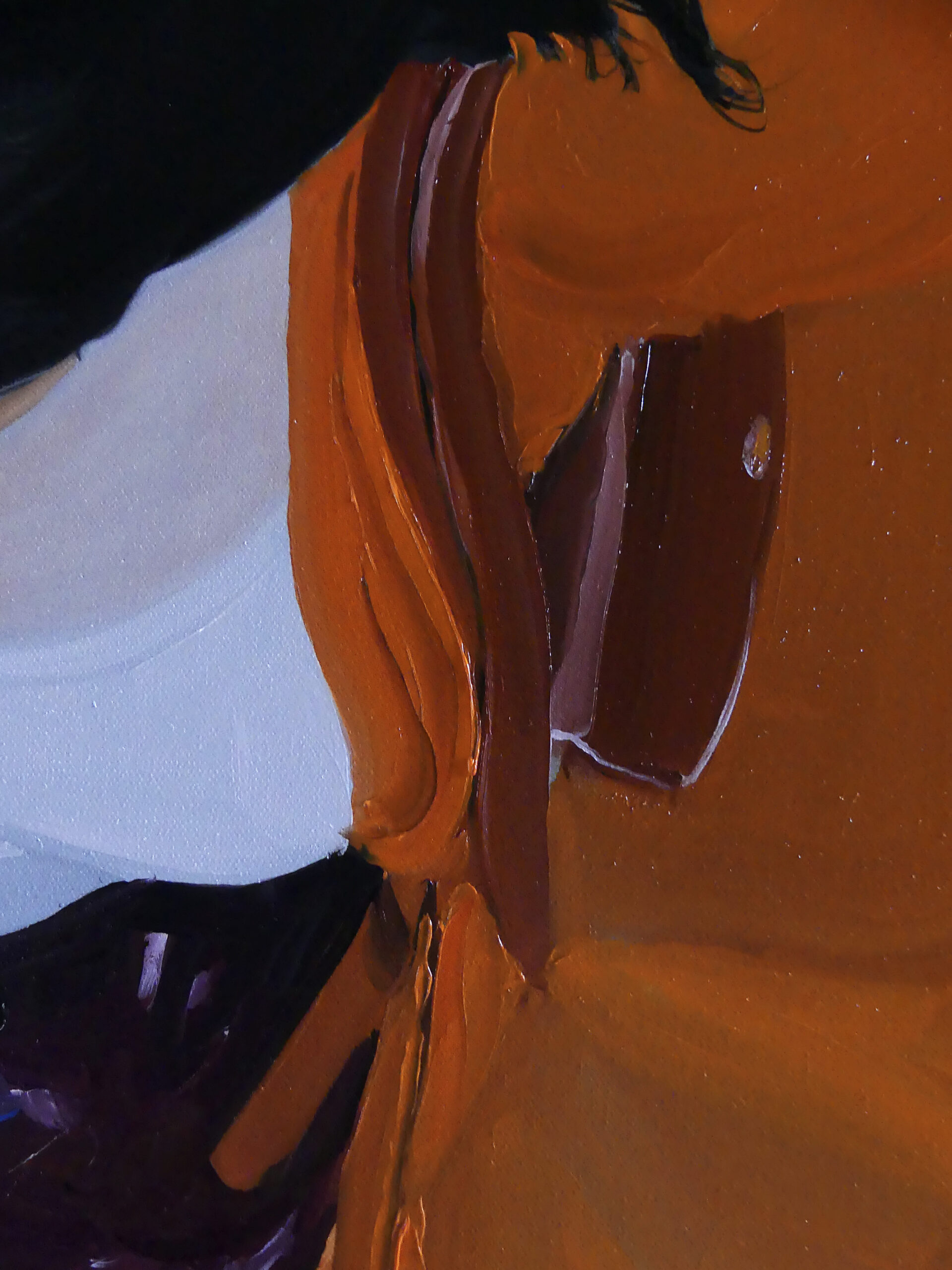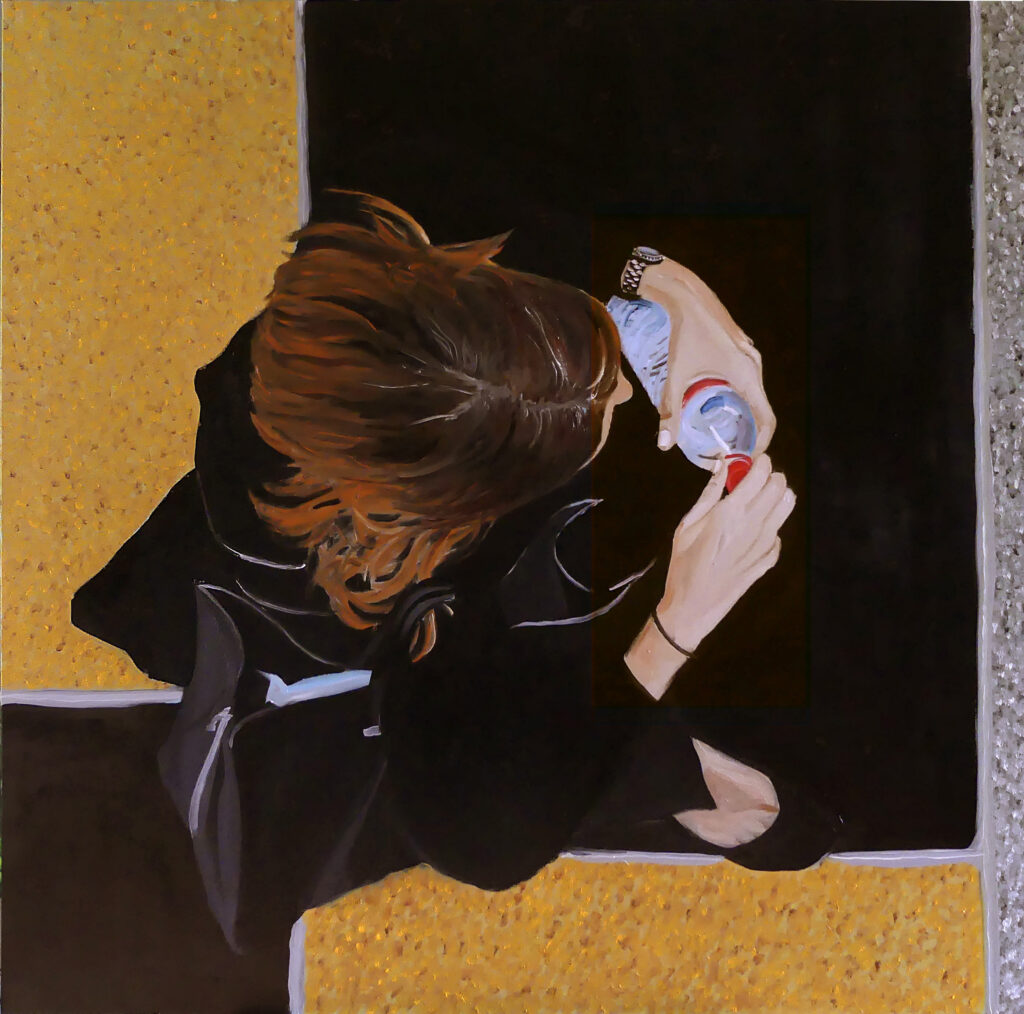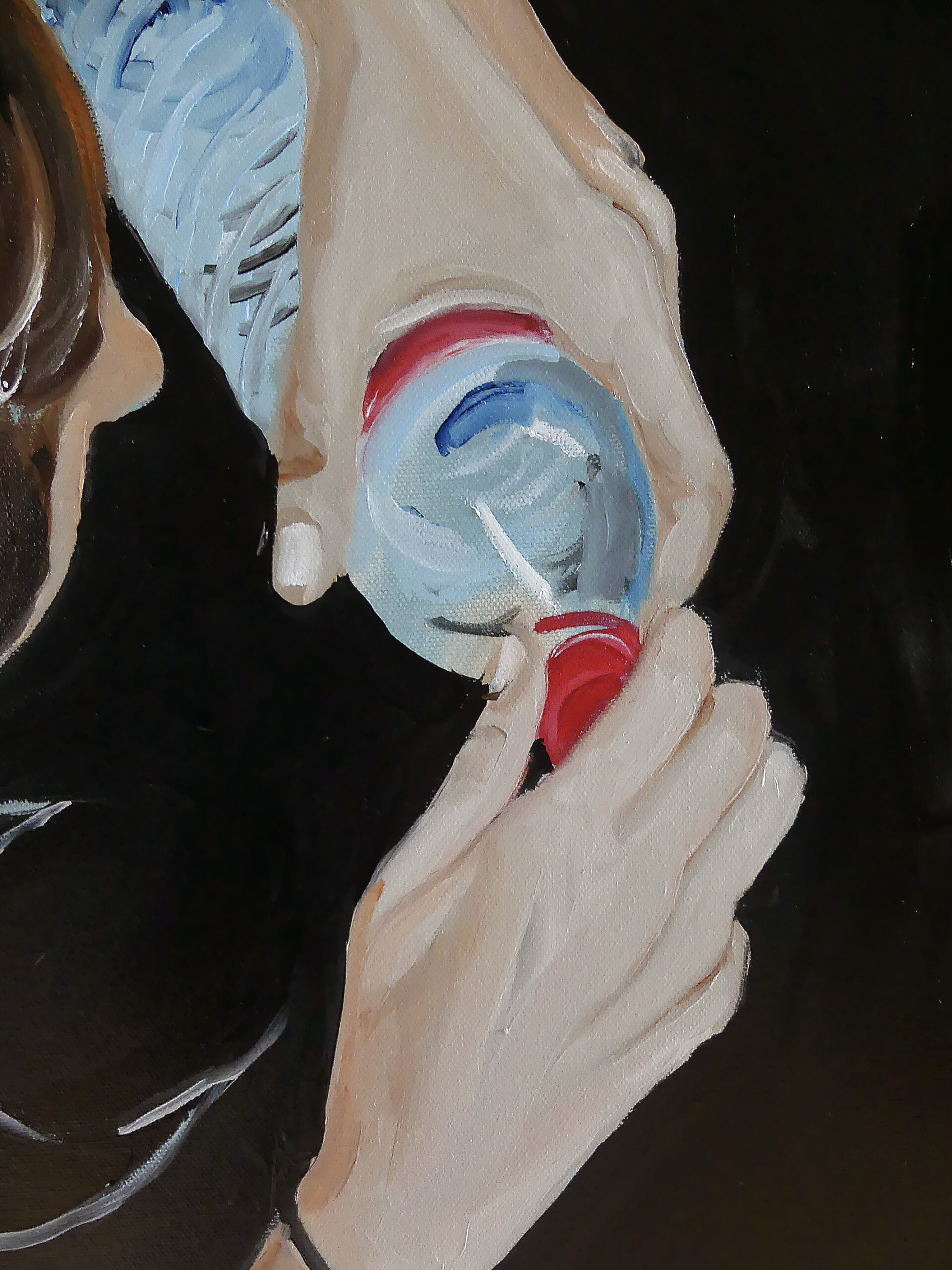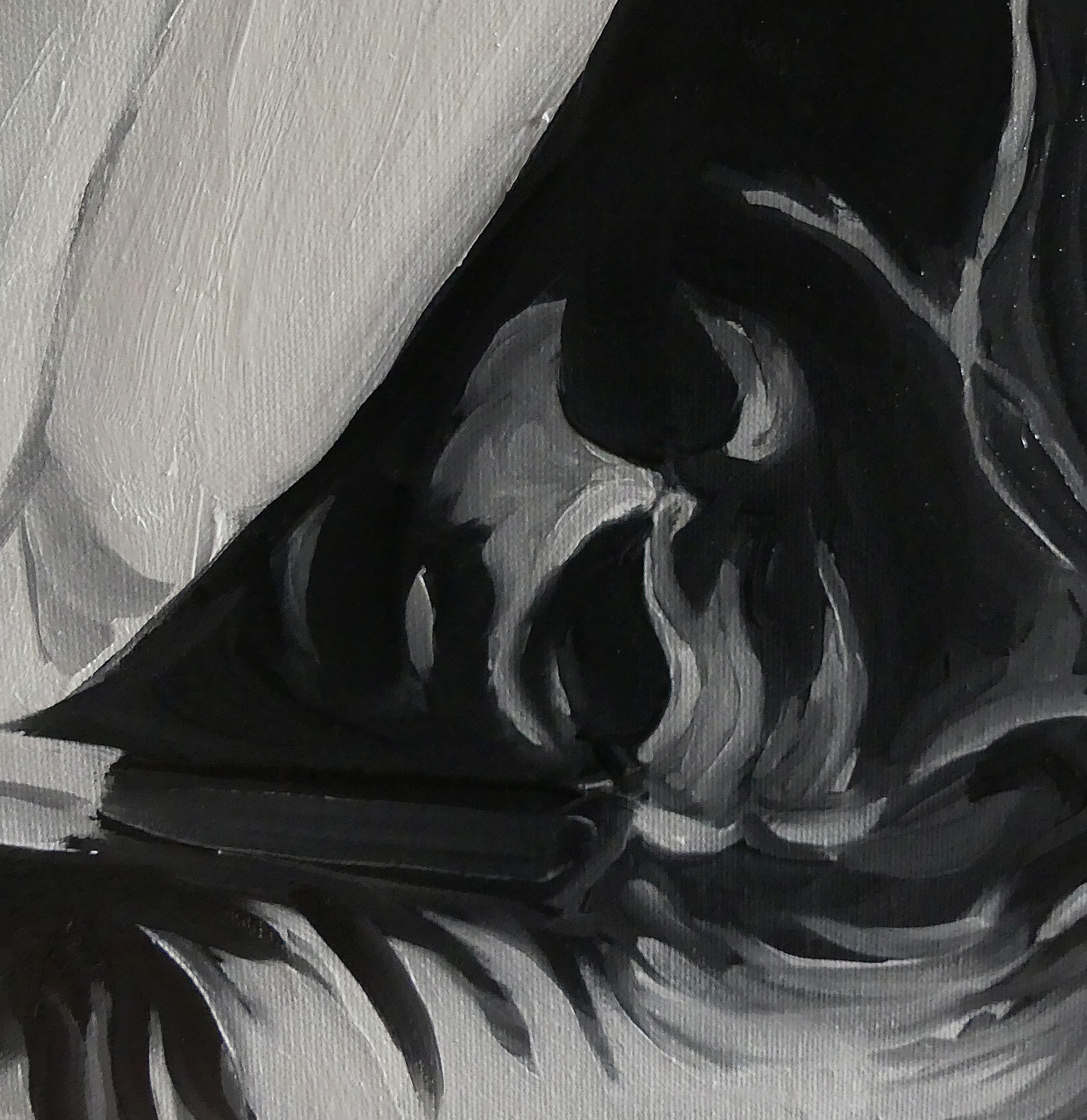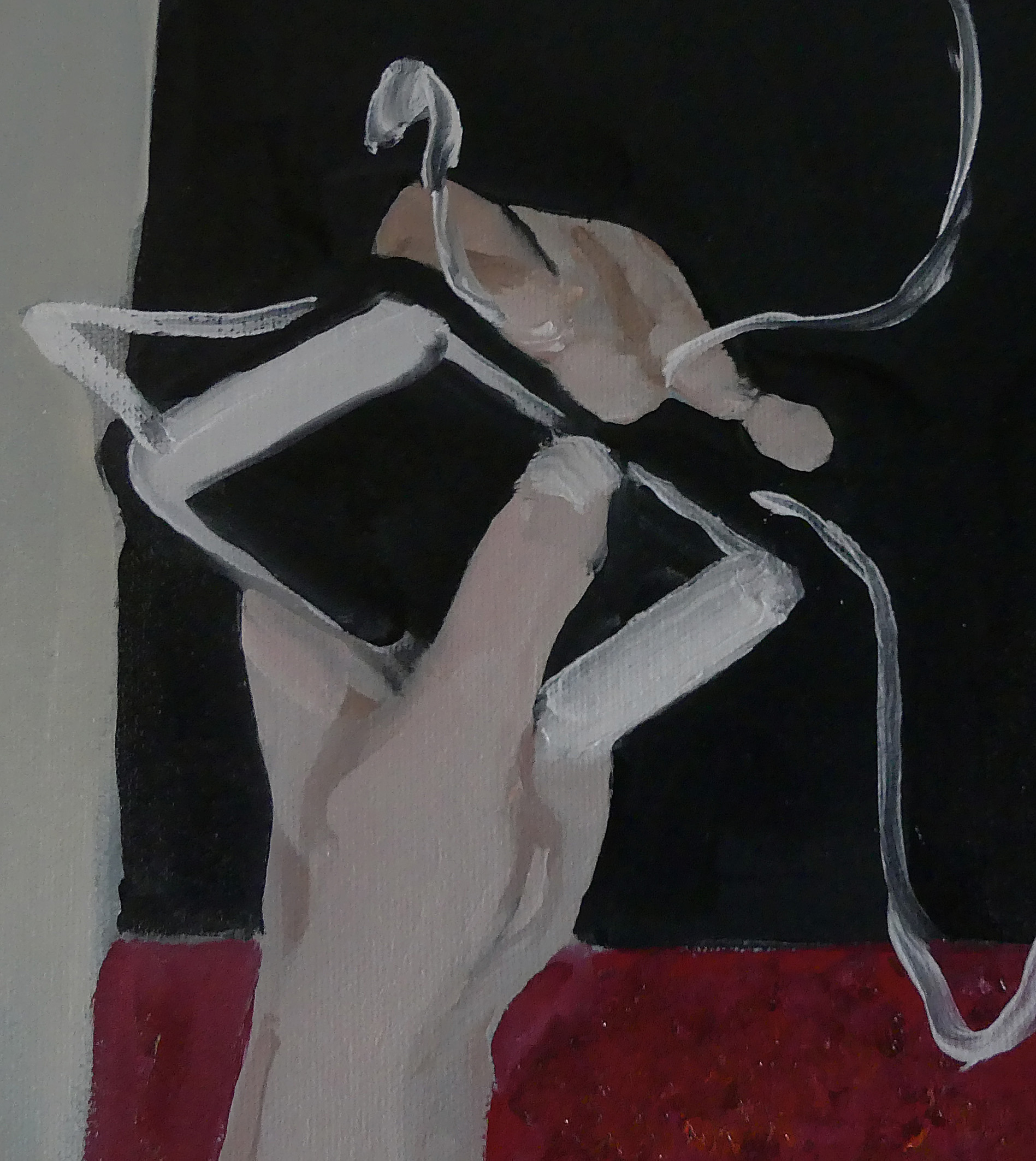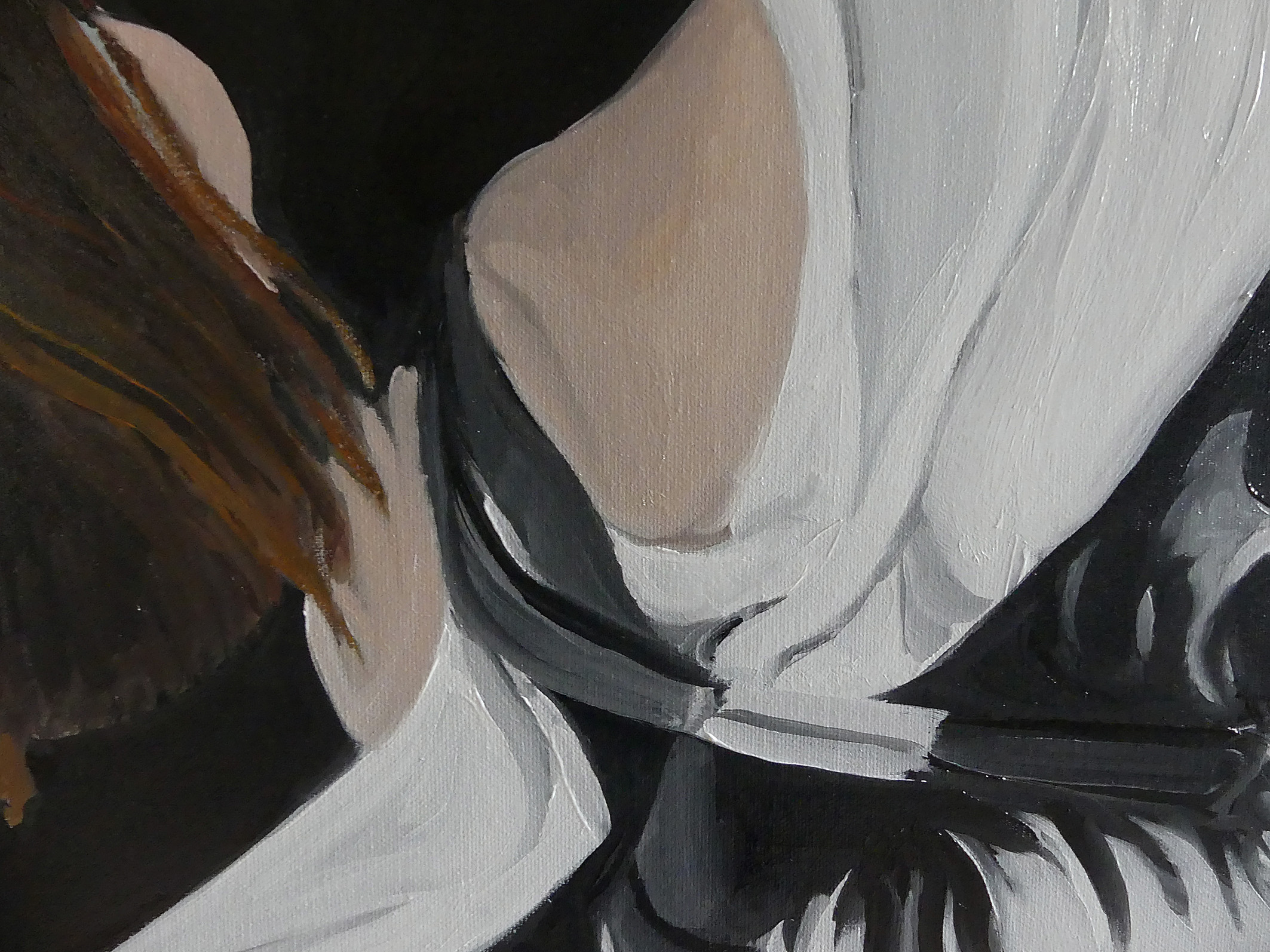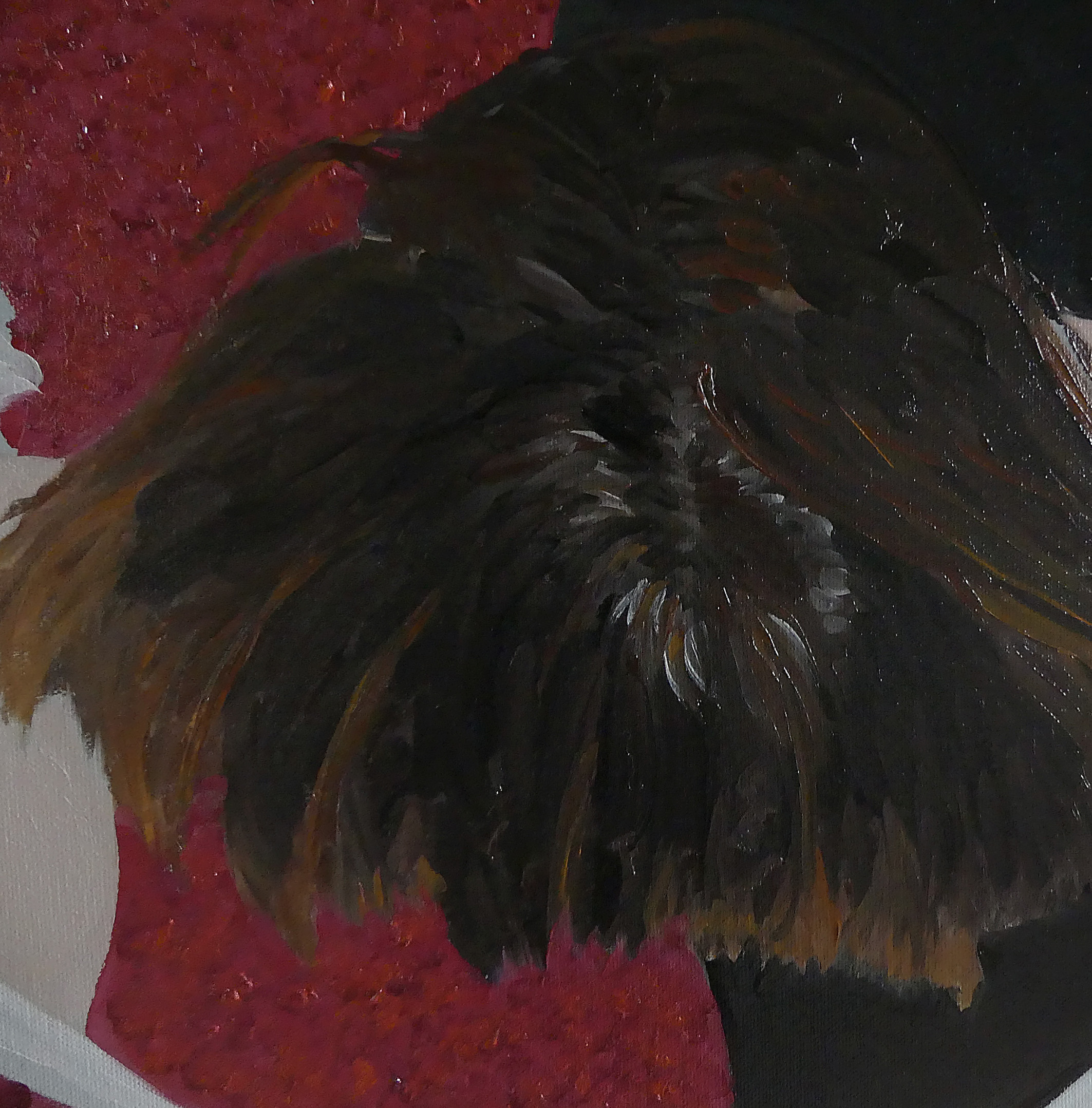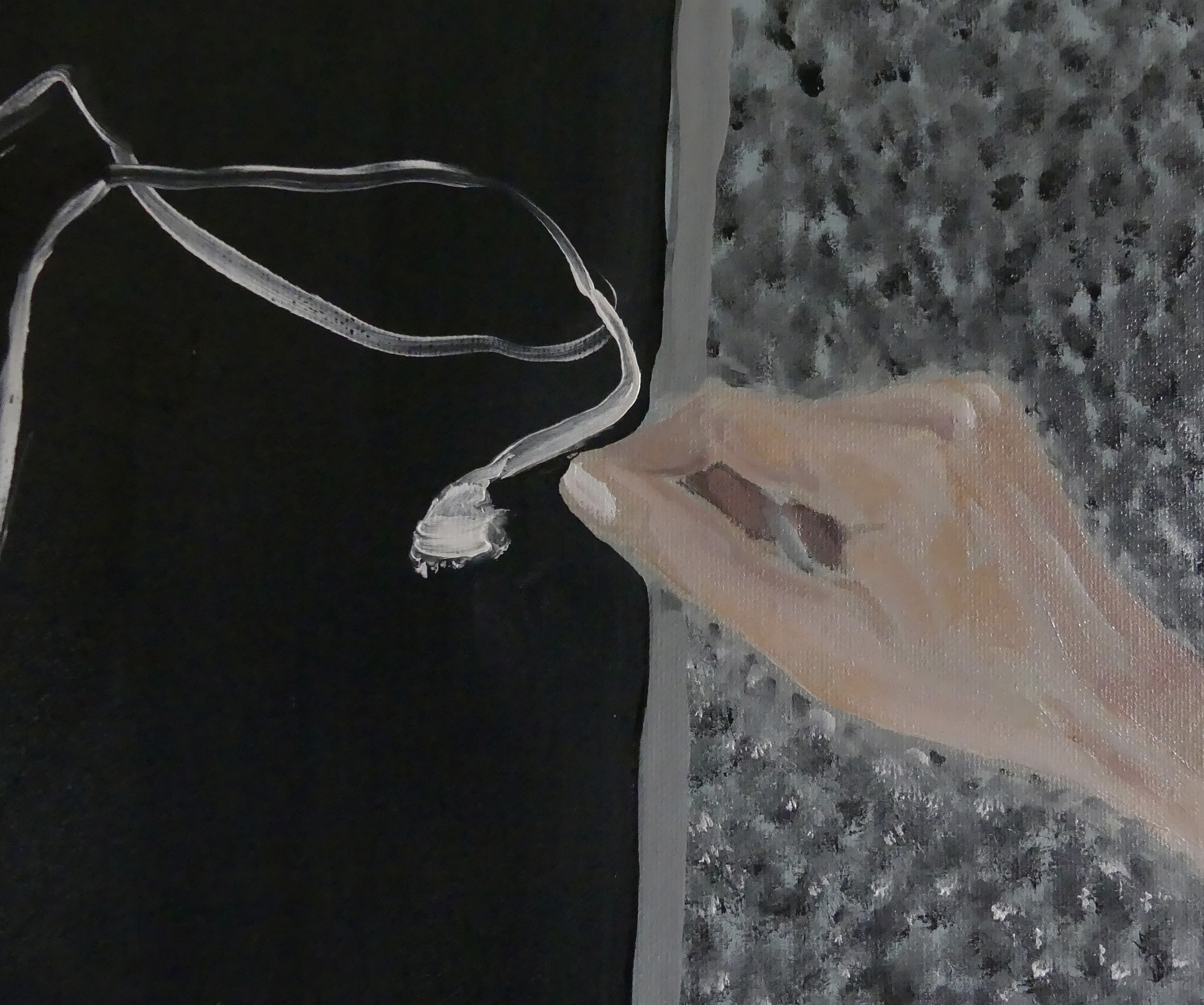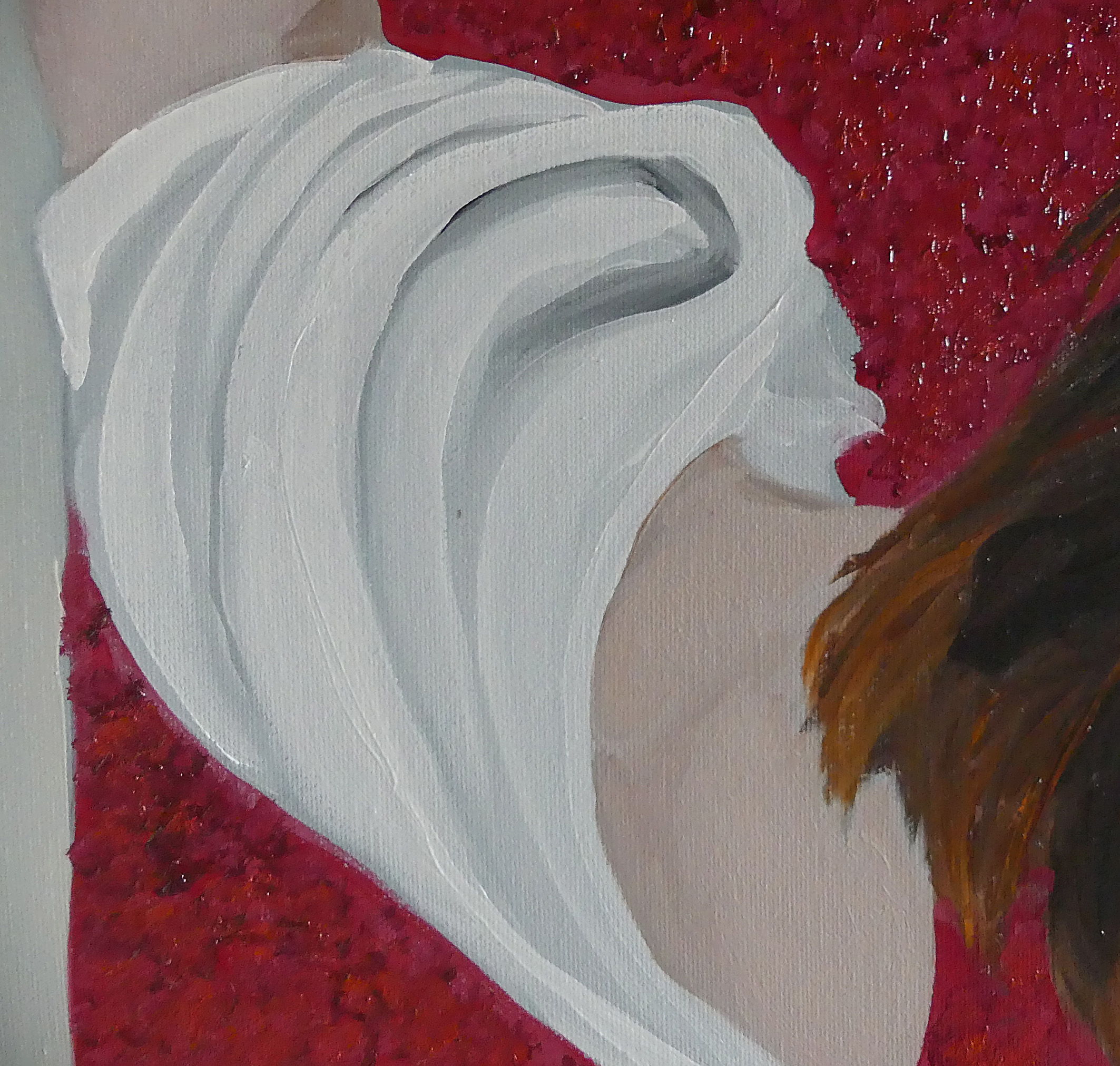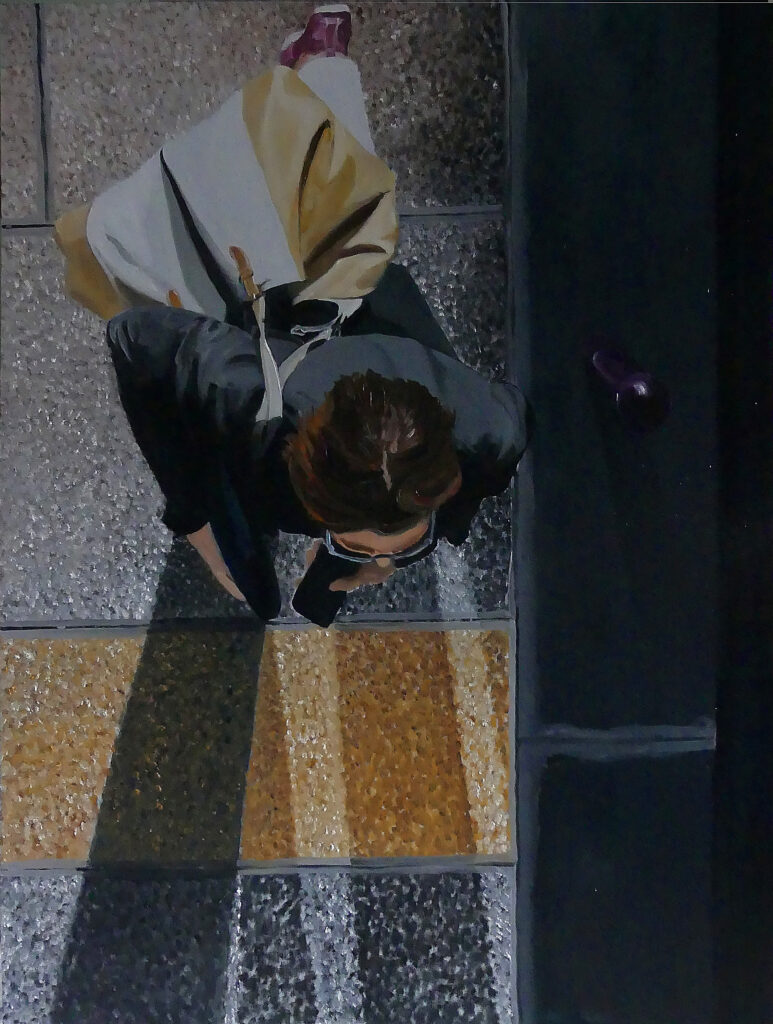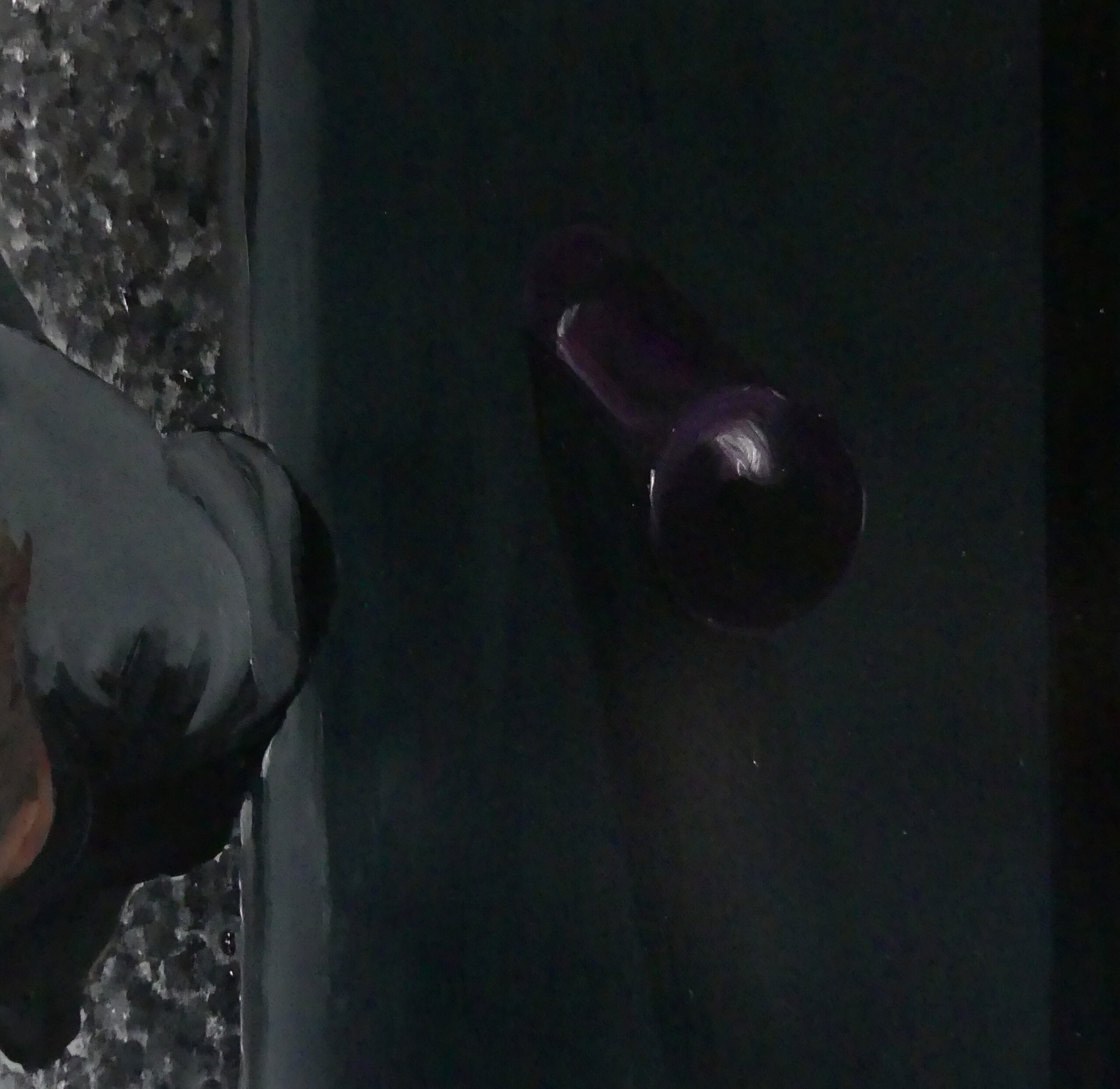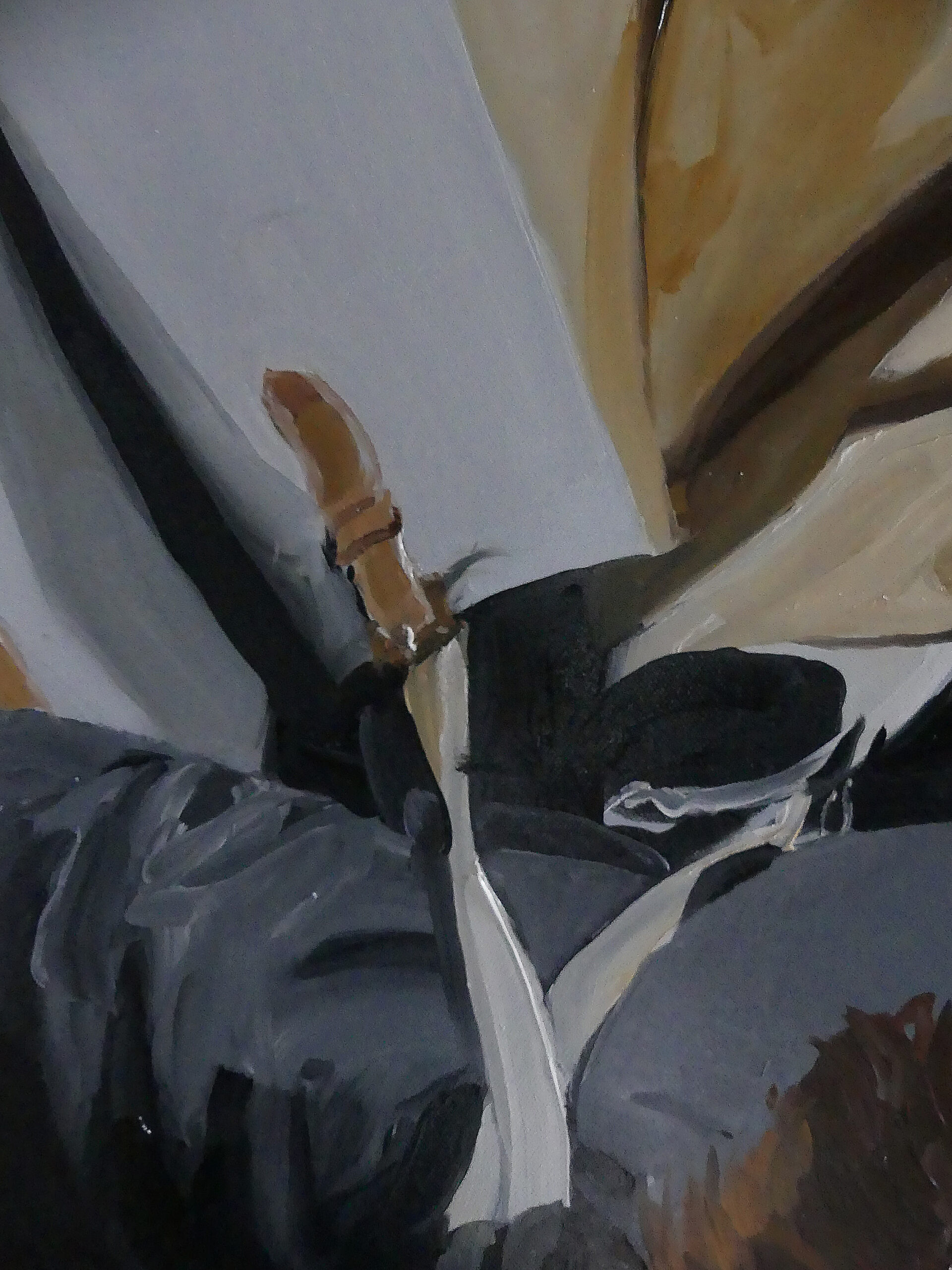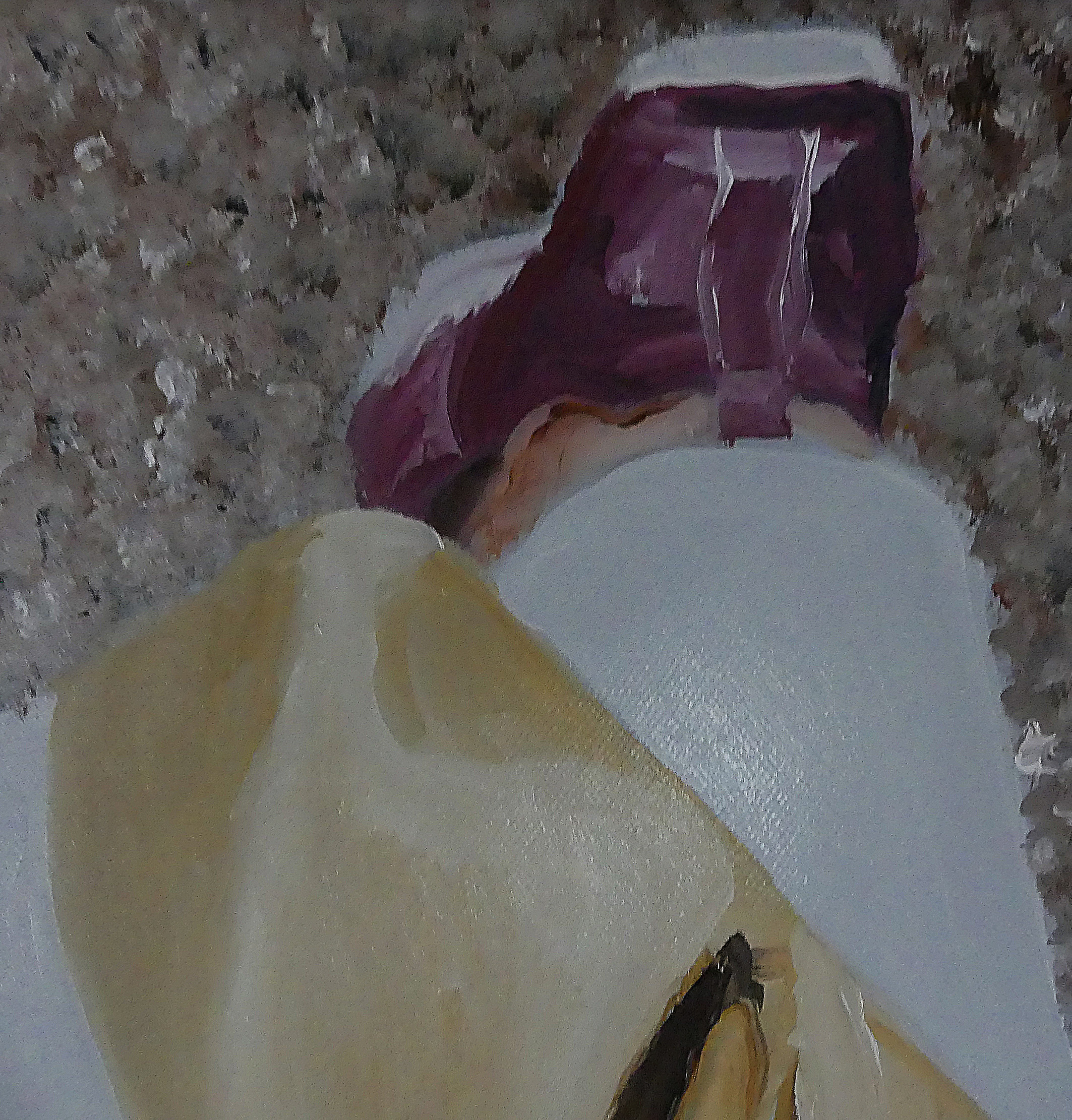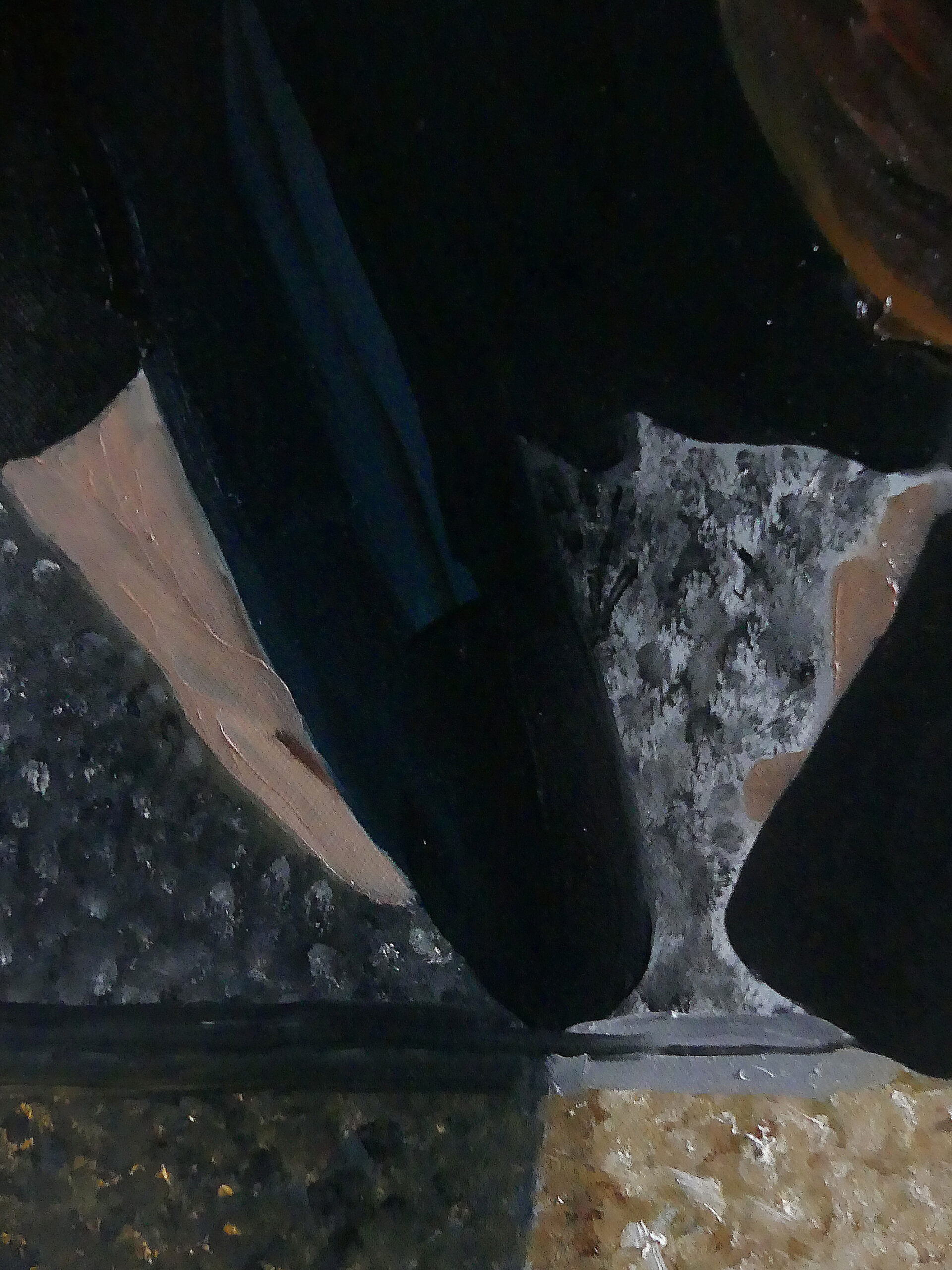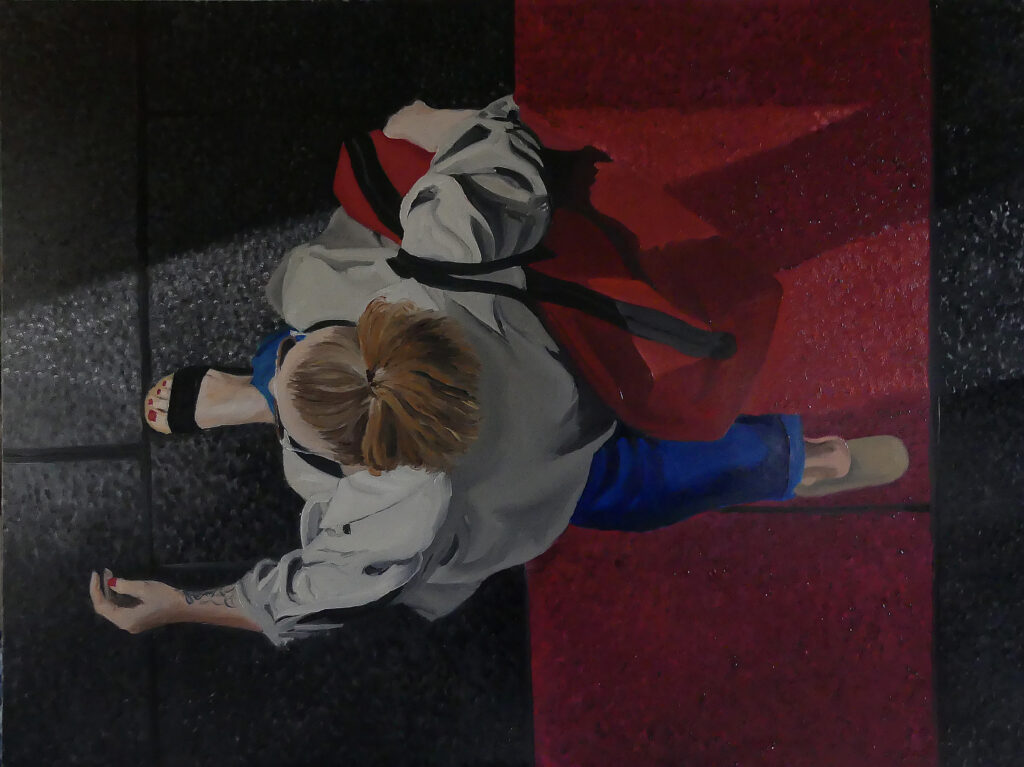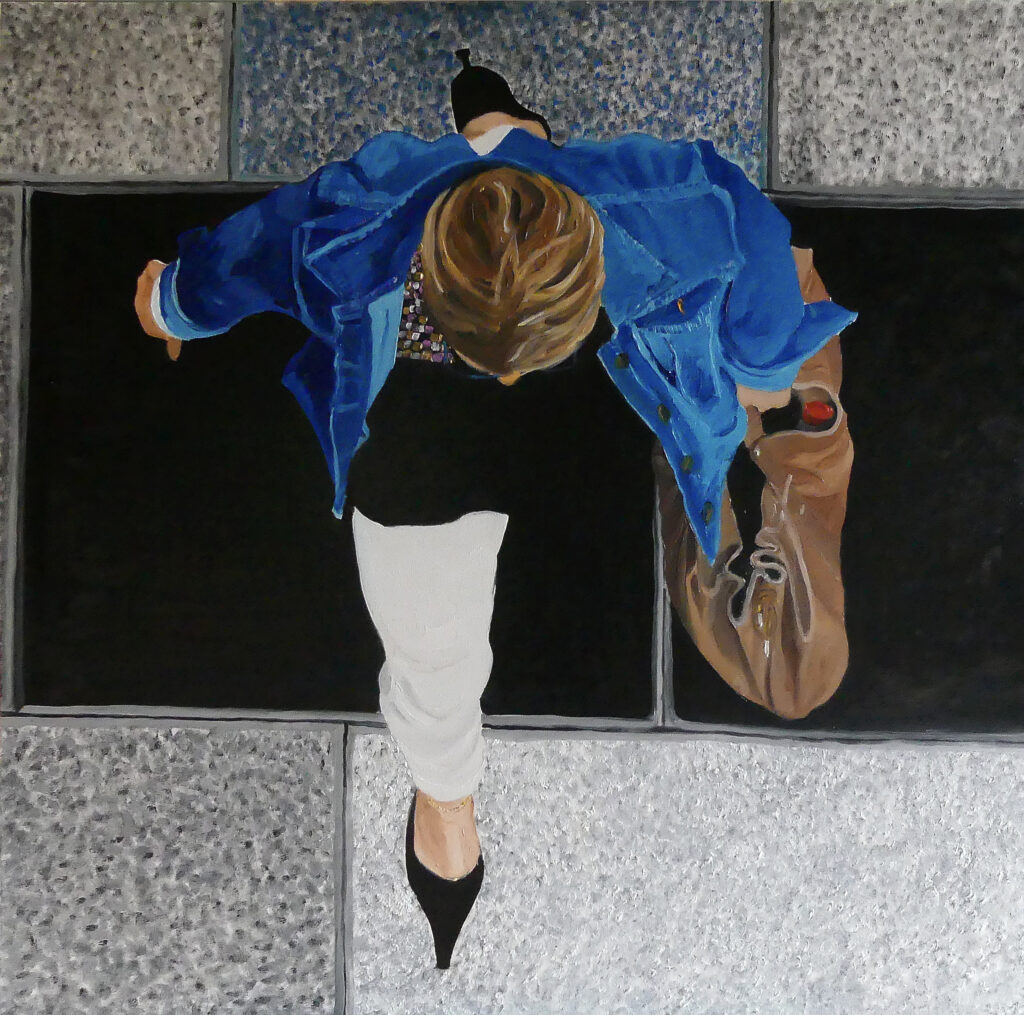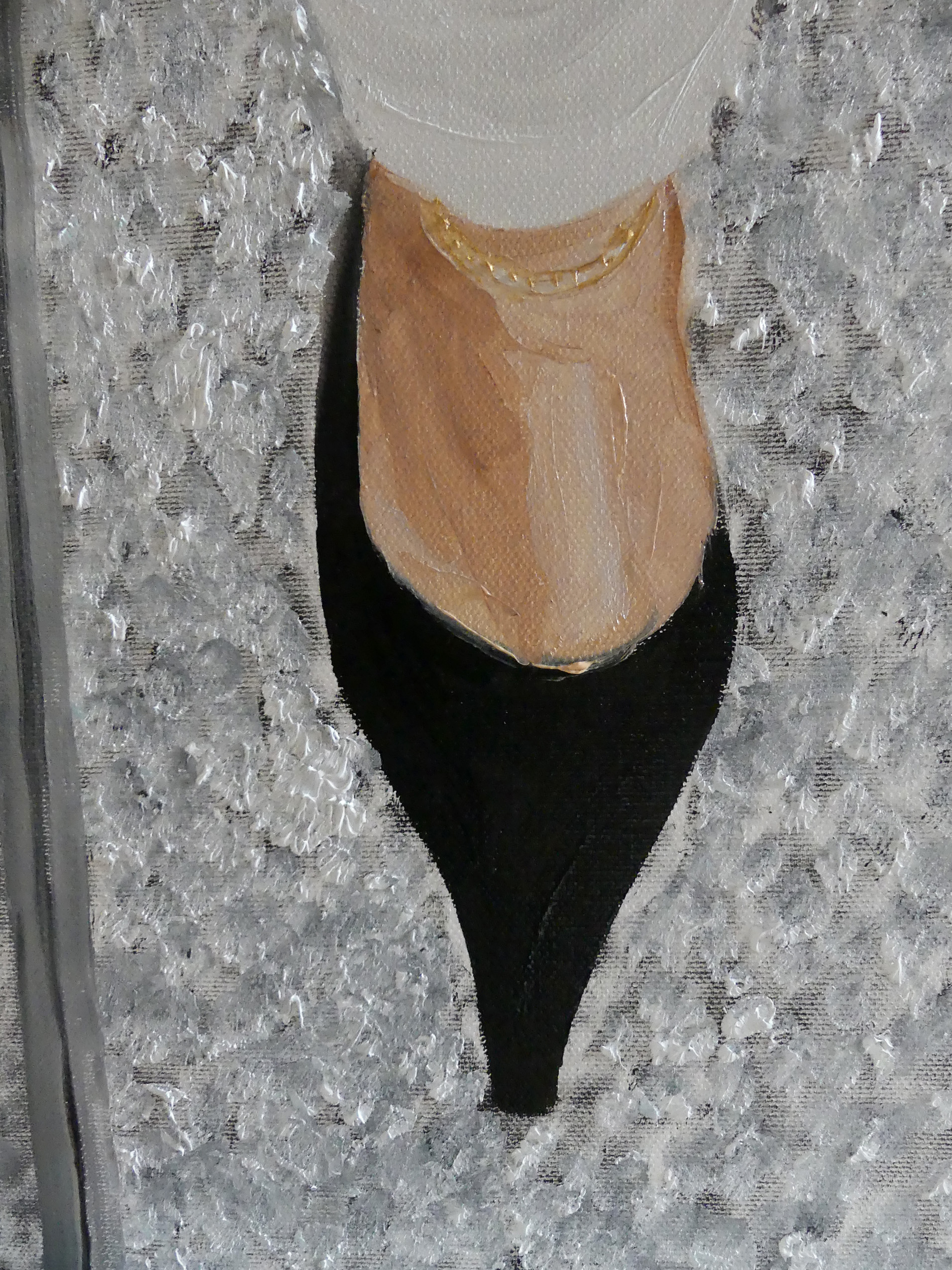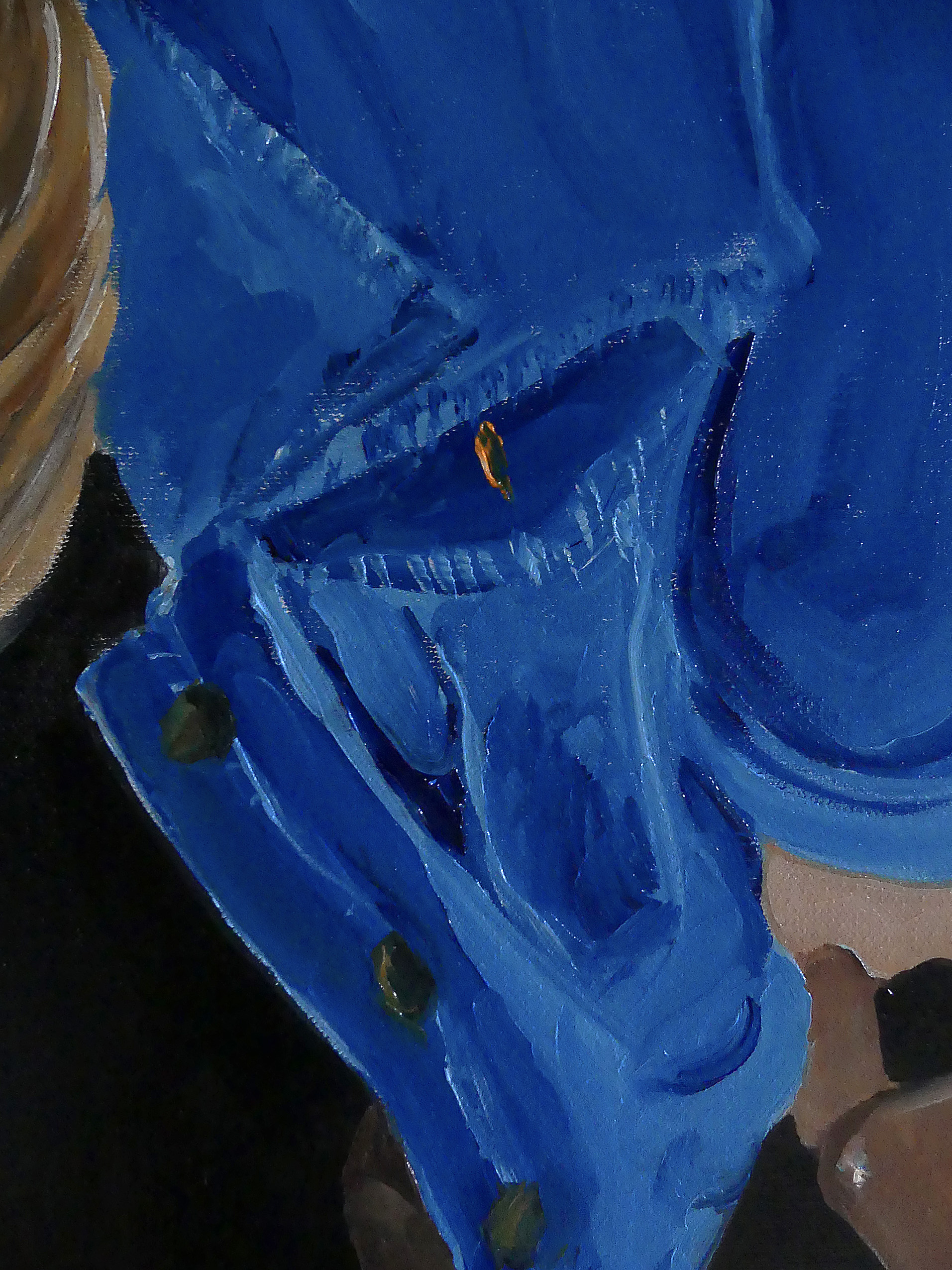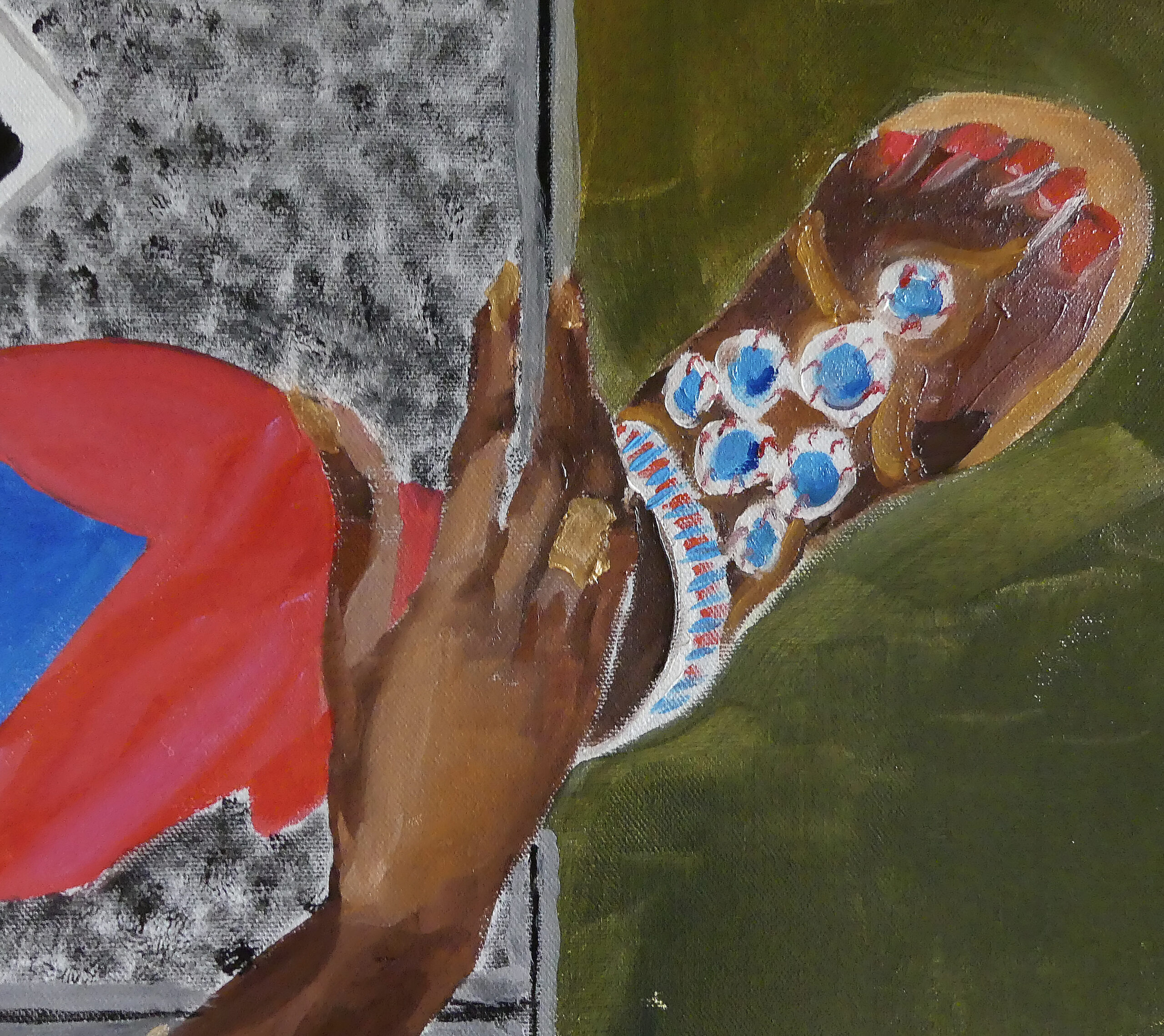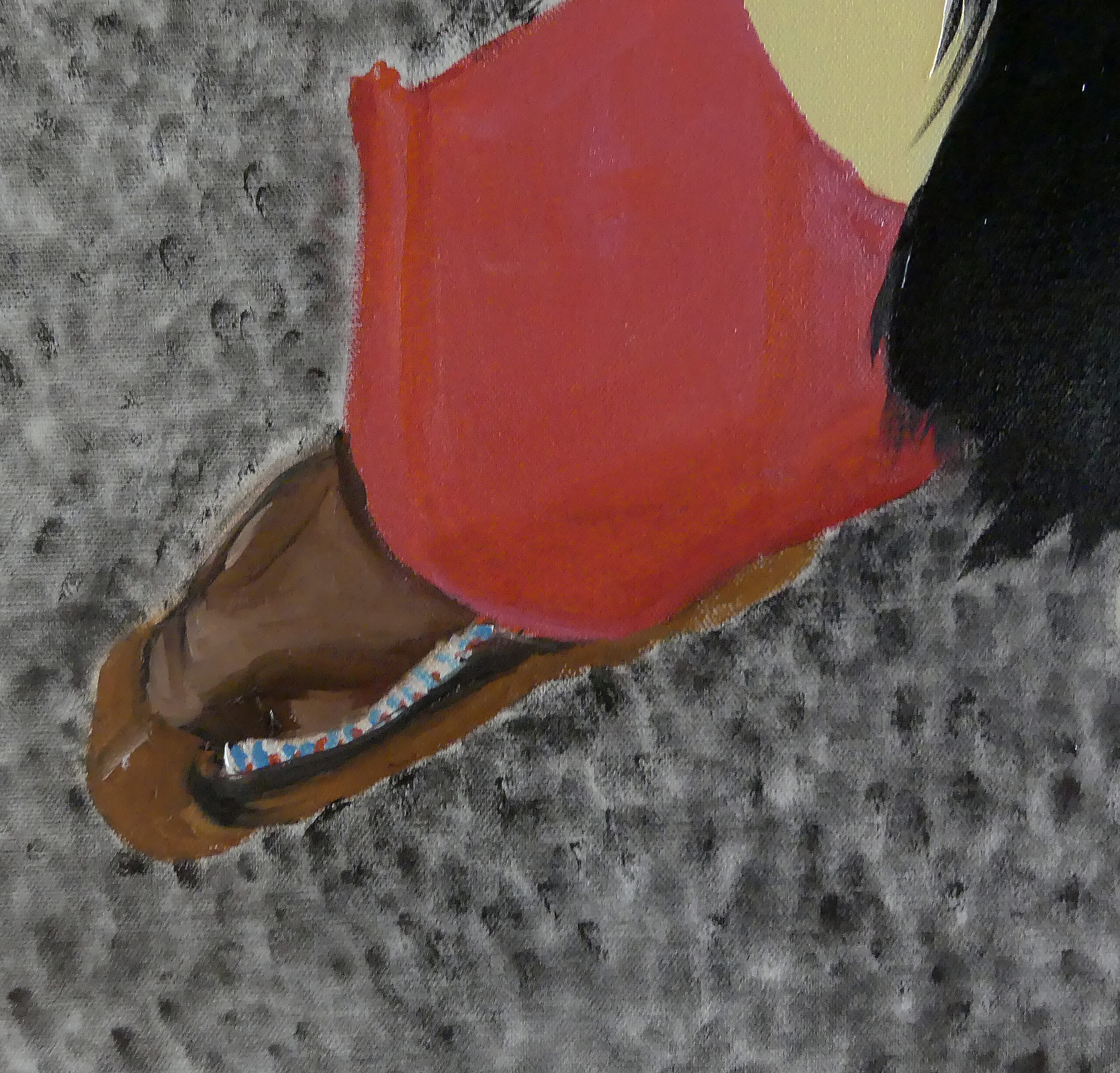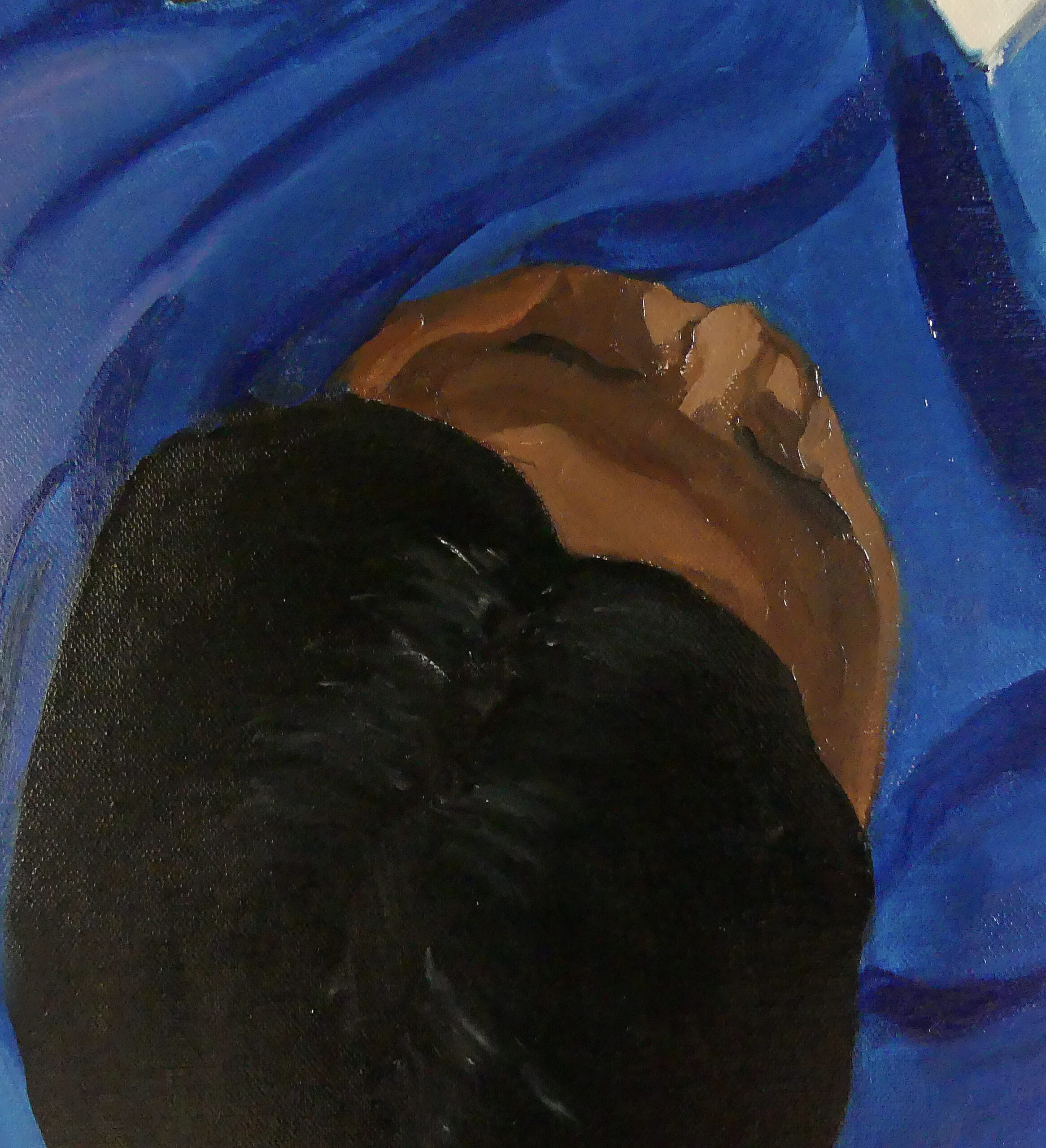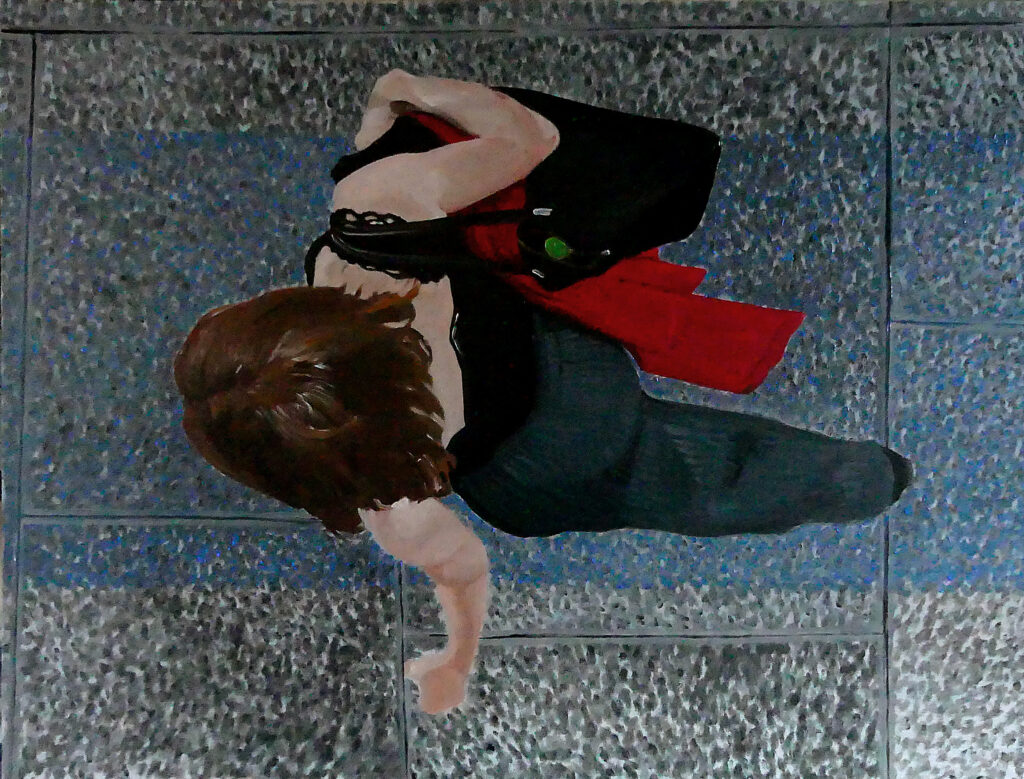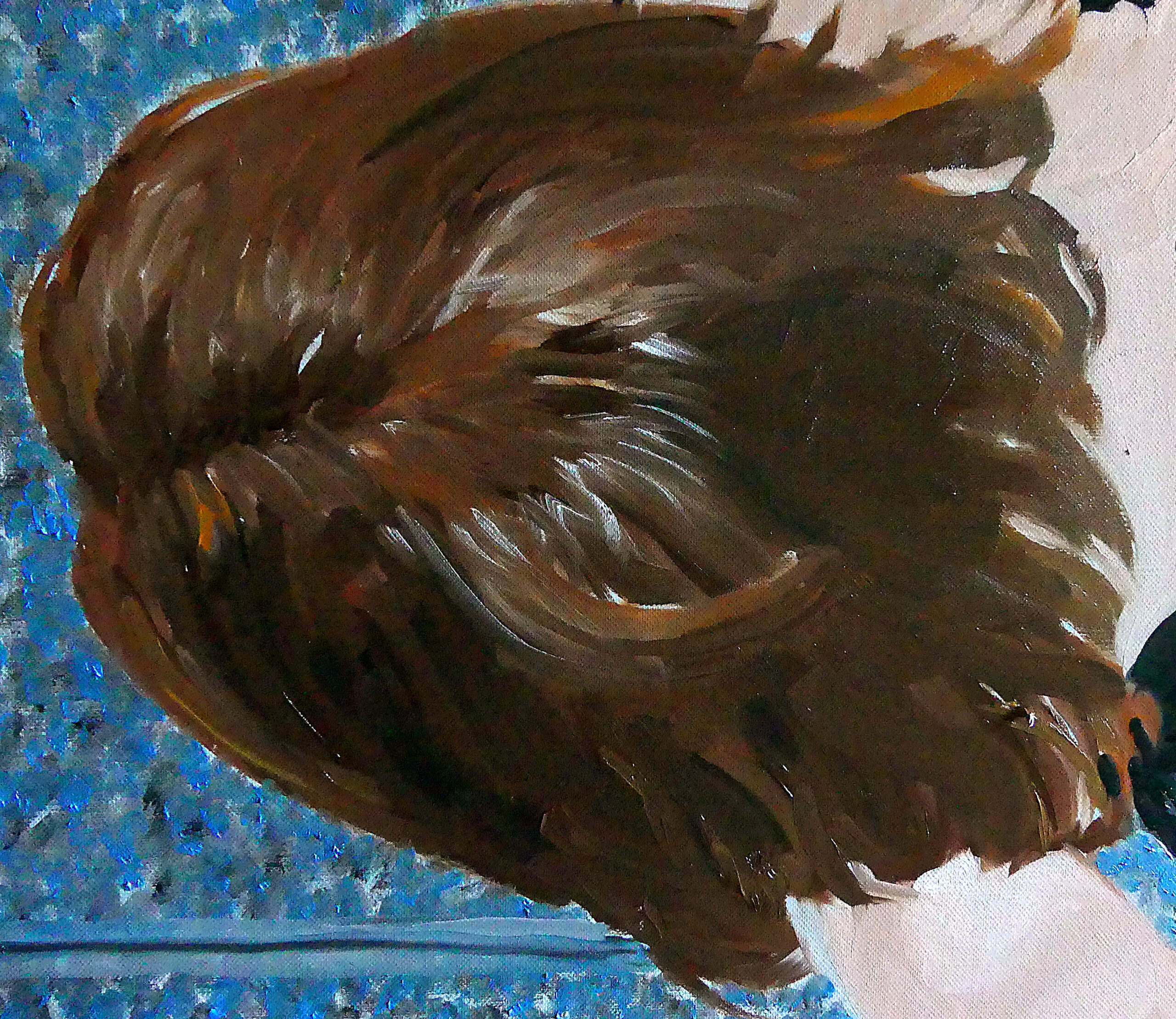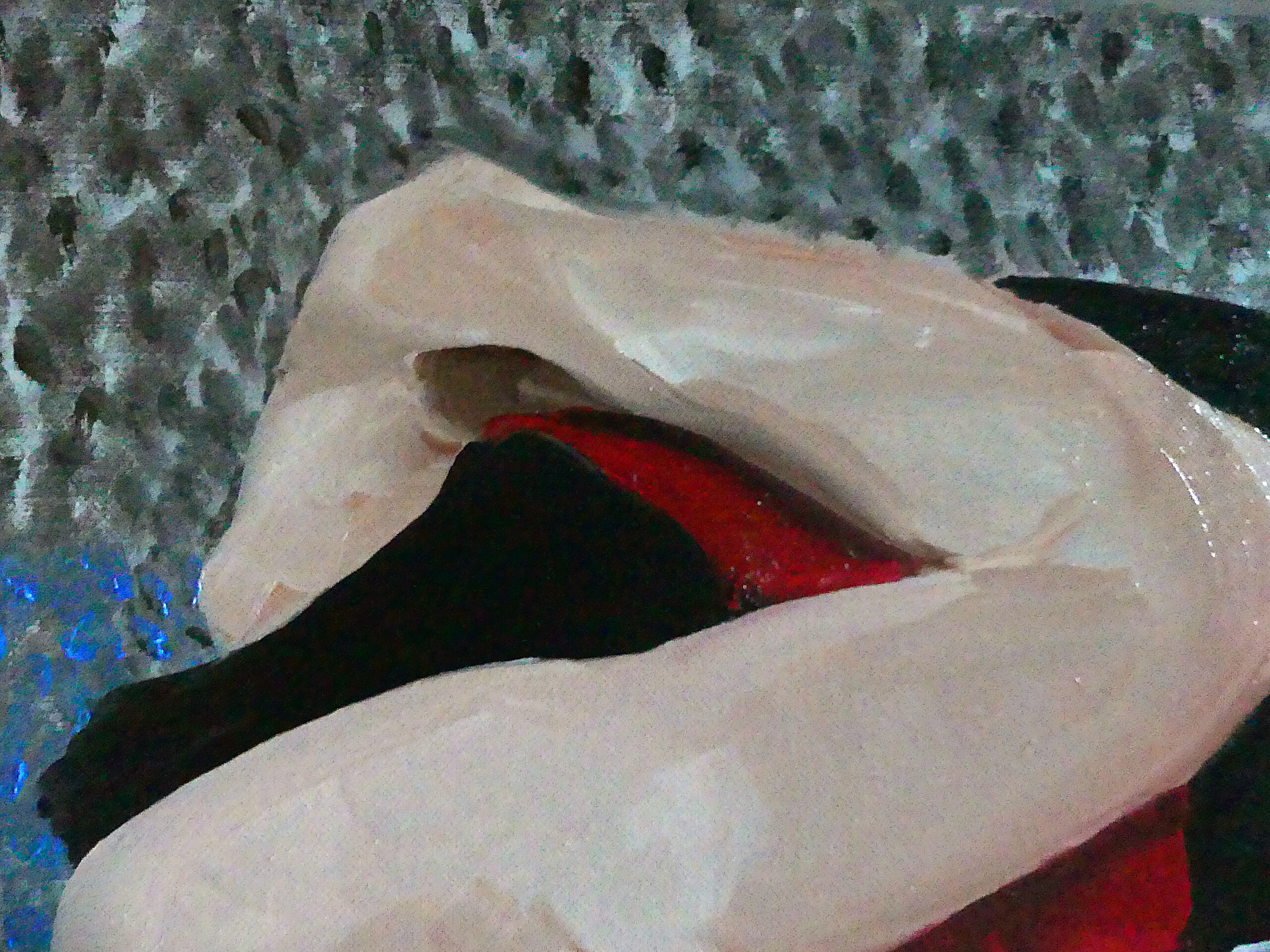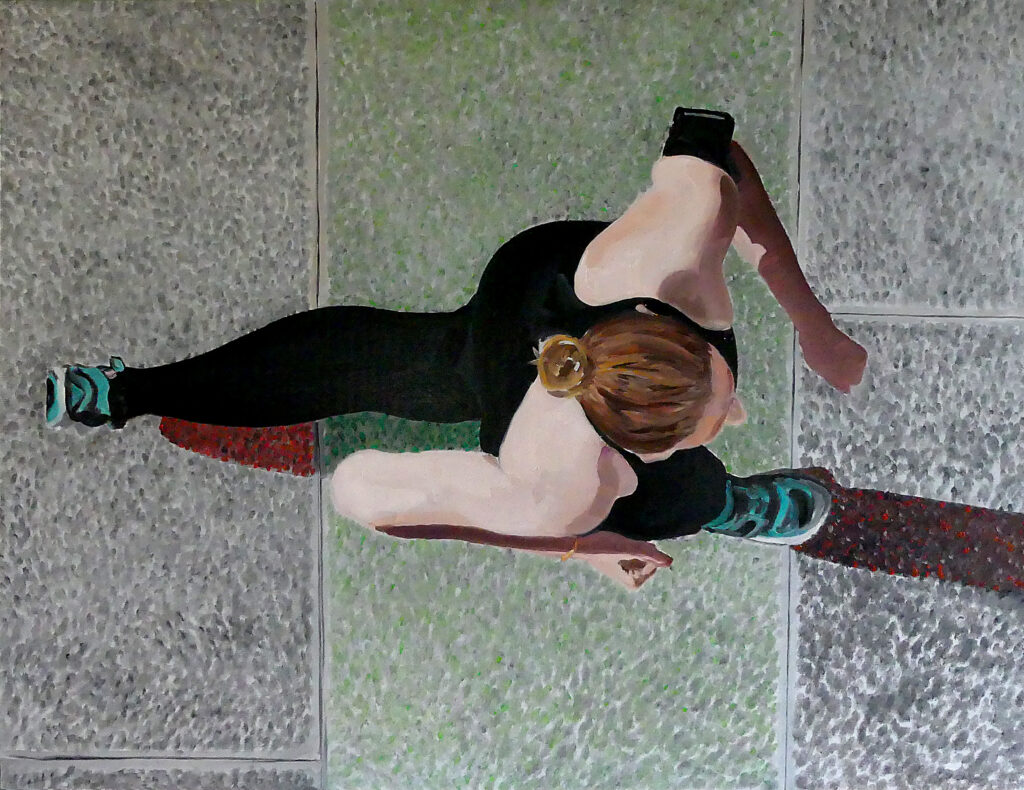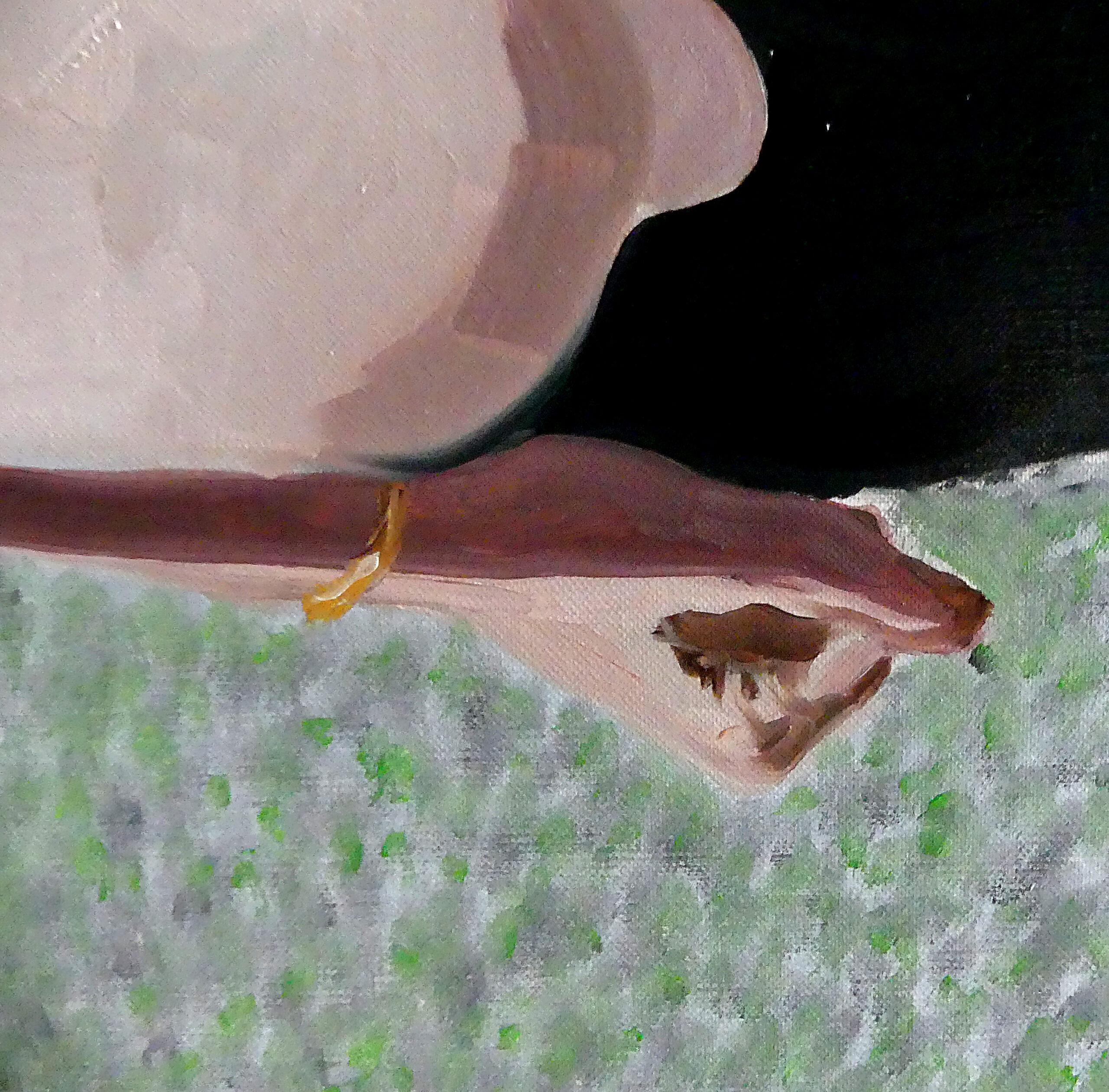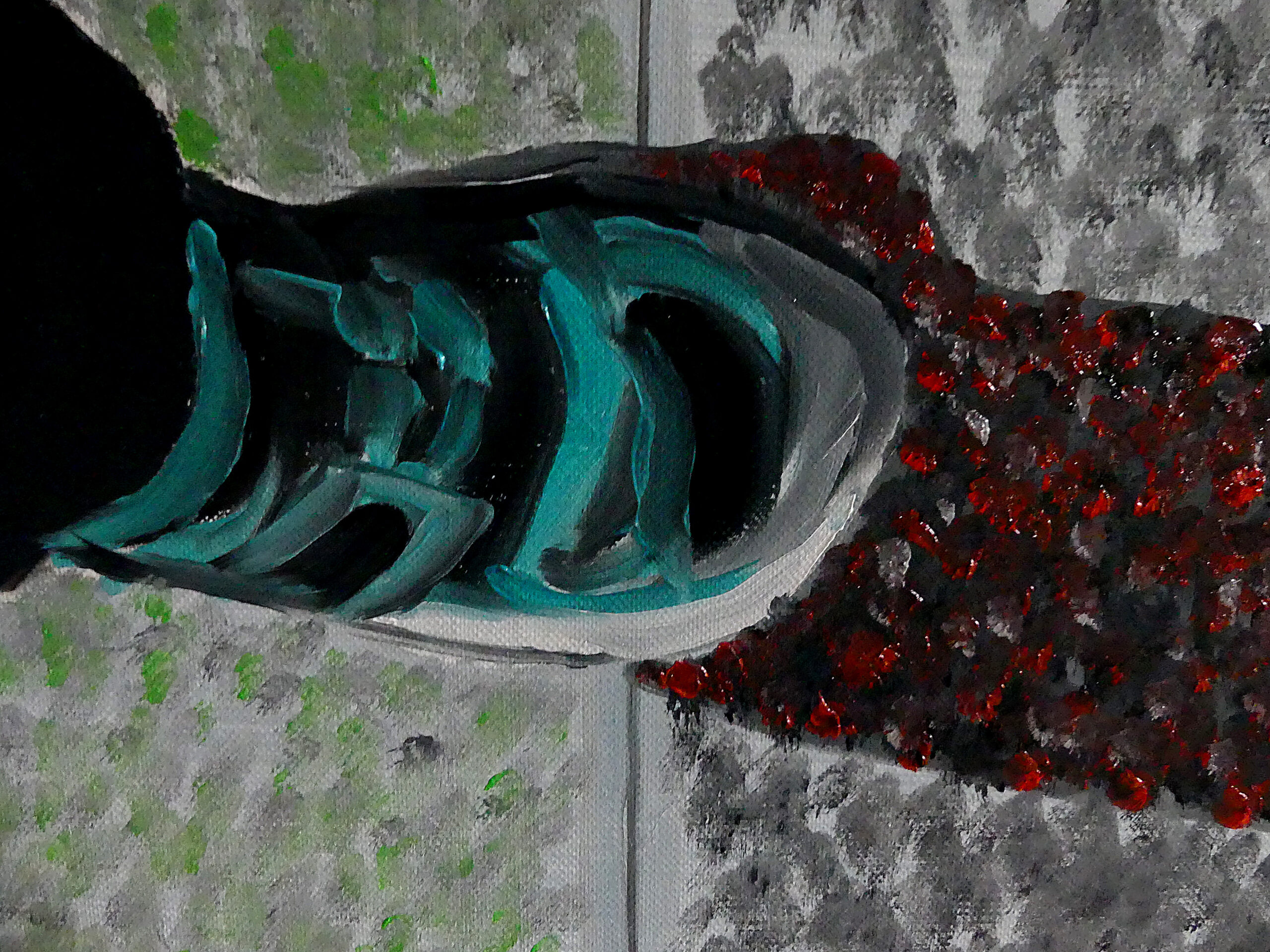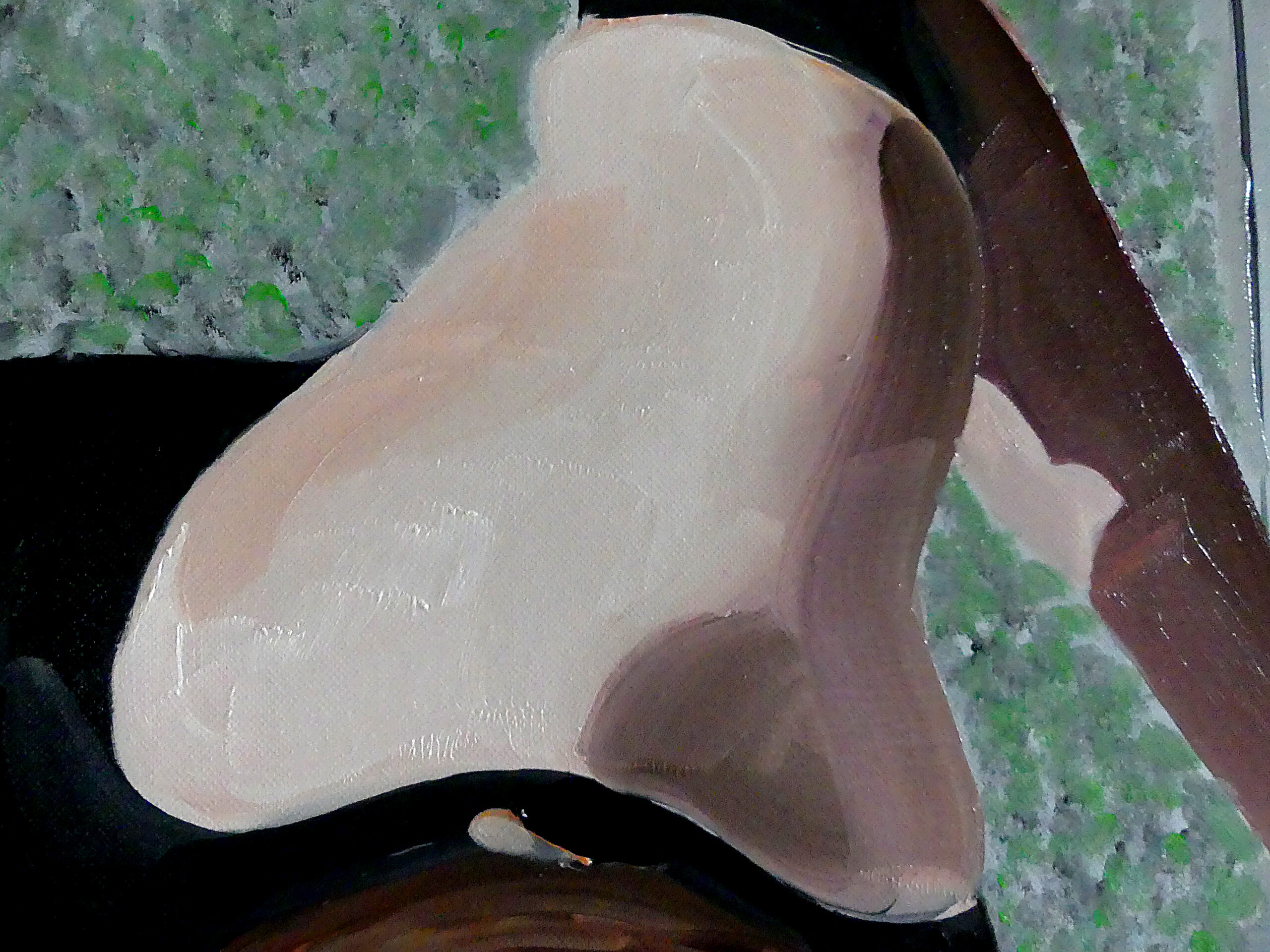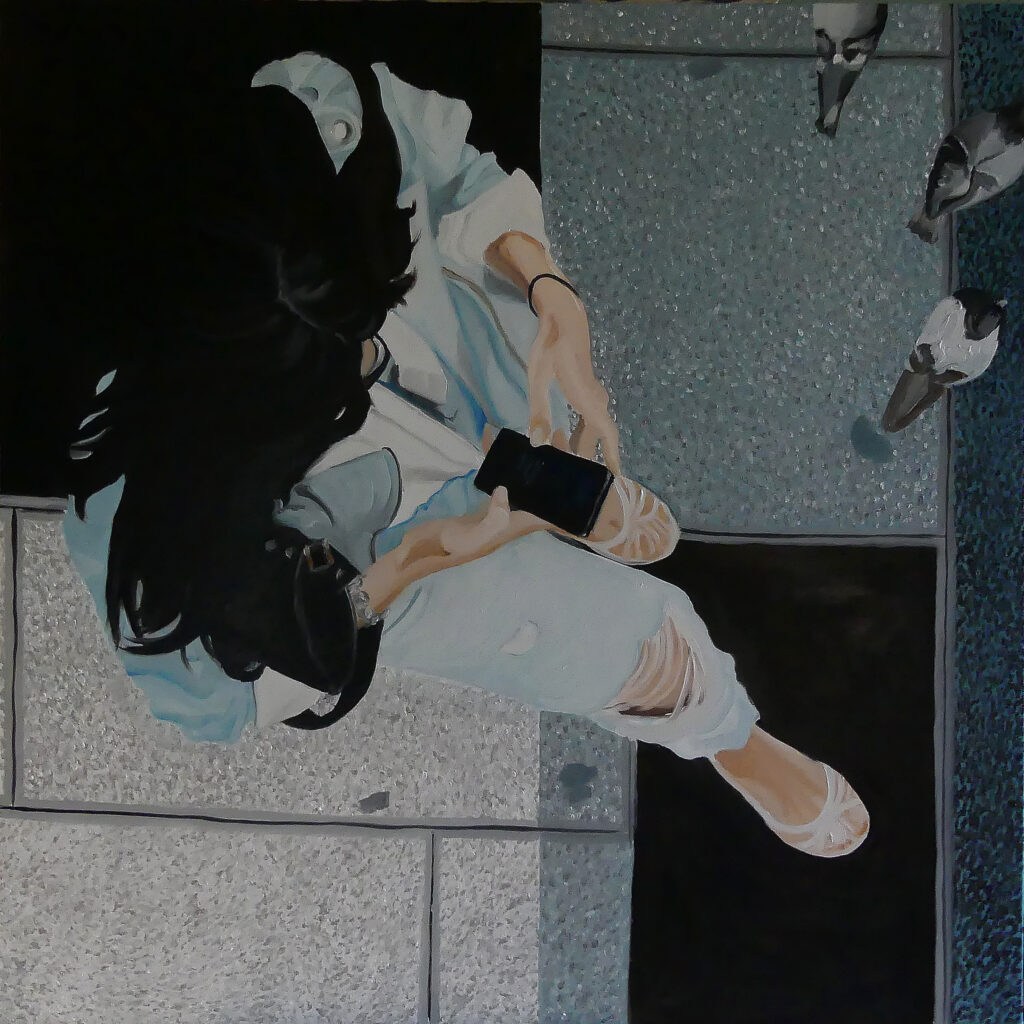
Parisian 4

huile sur toile, 100×100 cm

“The painter’s images are not only the reflection of things and of our thoughts; they are the place where identities cross and discover each other. Thus, painting puts into our eyes a breath through which we have never looked before. This breath is the youth of the gaze. Its perpetual return.” — Bernard Noël, Journal du regard.
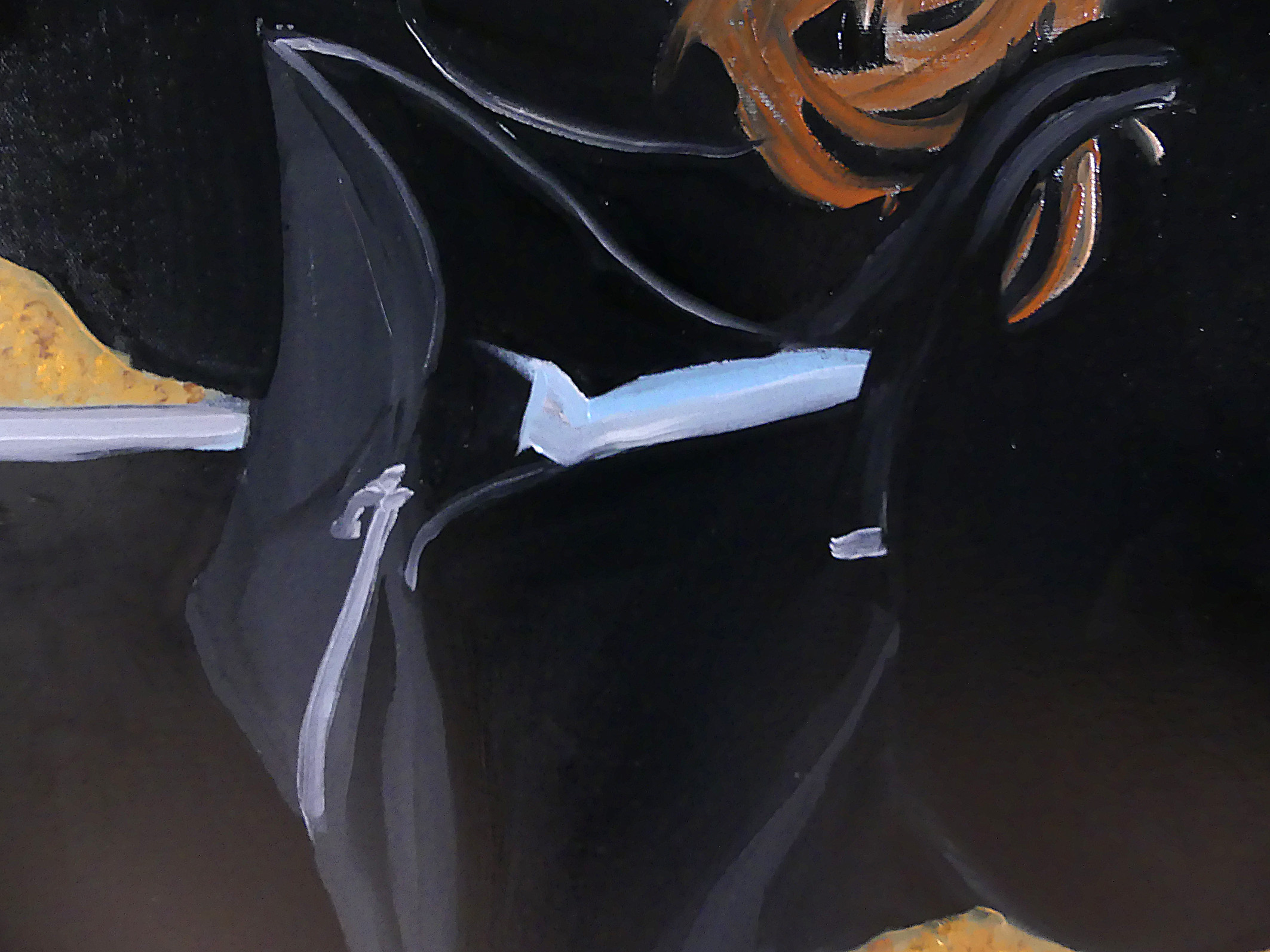
Parisian 3

huile sur toile, 89×116 cm

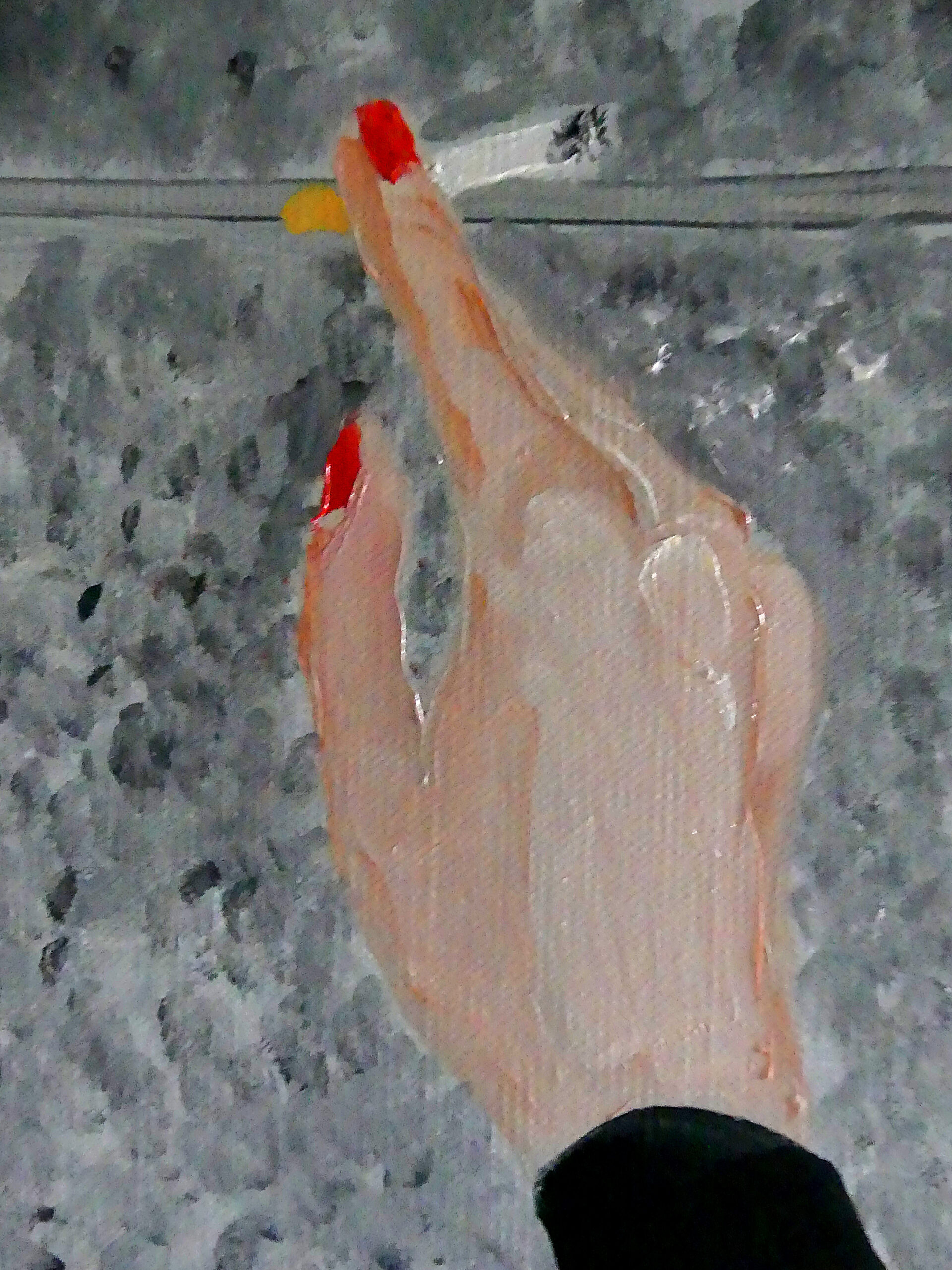
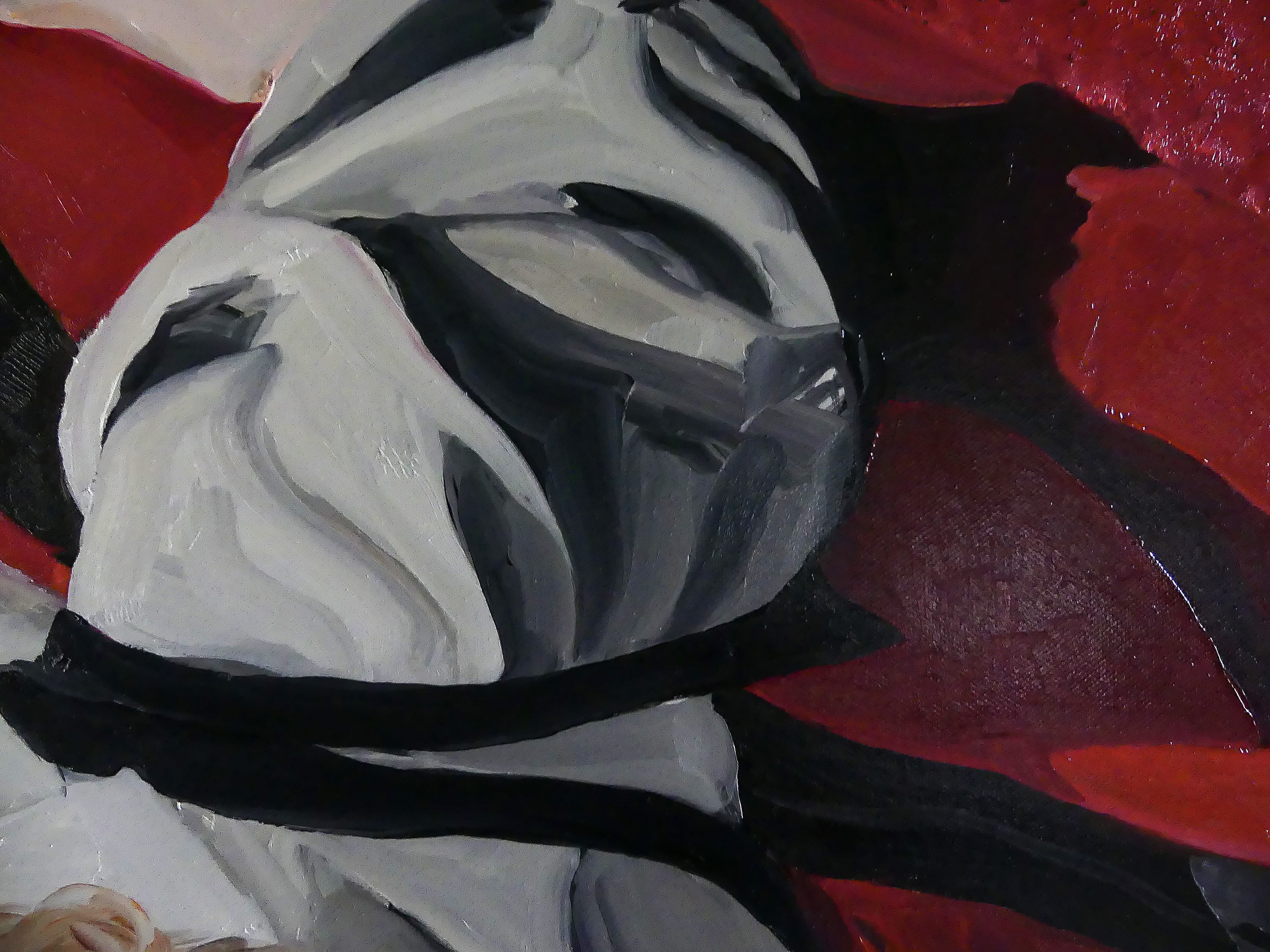
In the tension between reality and abstraction, the figure is born. Michel Guérin, the philosopher of “Figurology,” detects its production in the energy of the gesture. The gesture of painting, beyond representation, is fundamentally figurative.
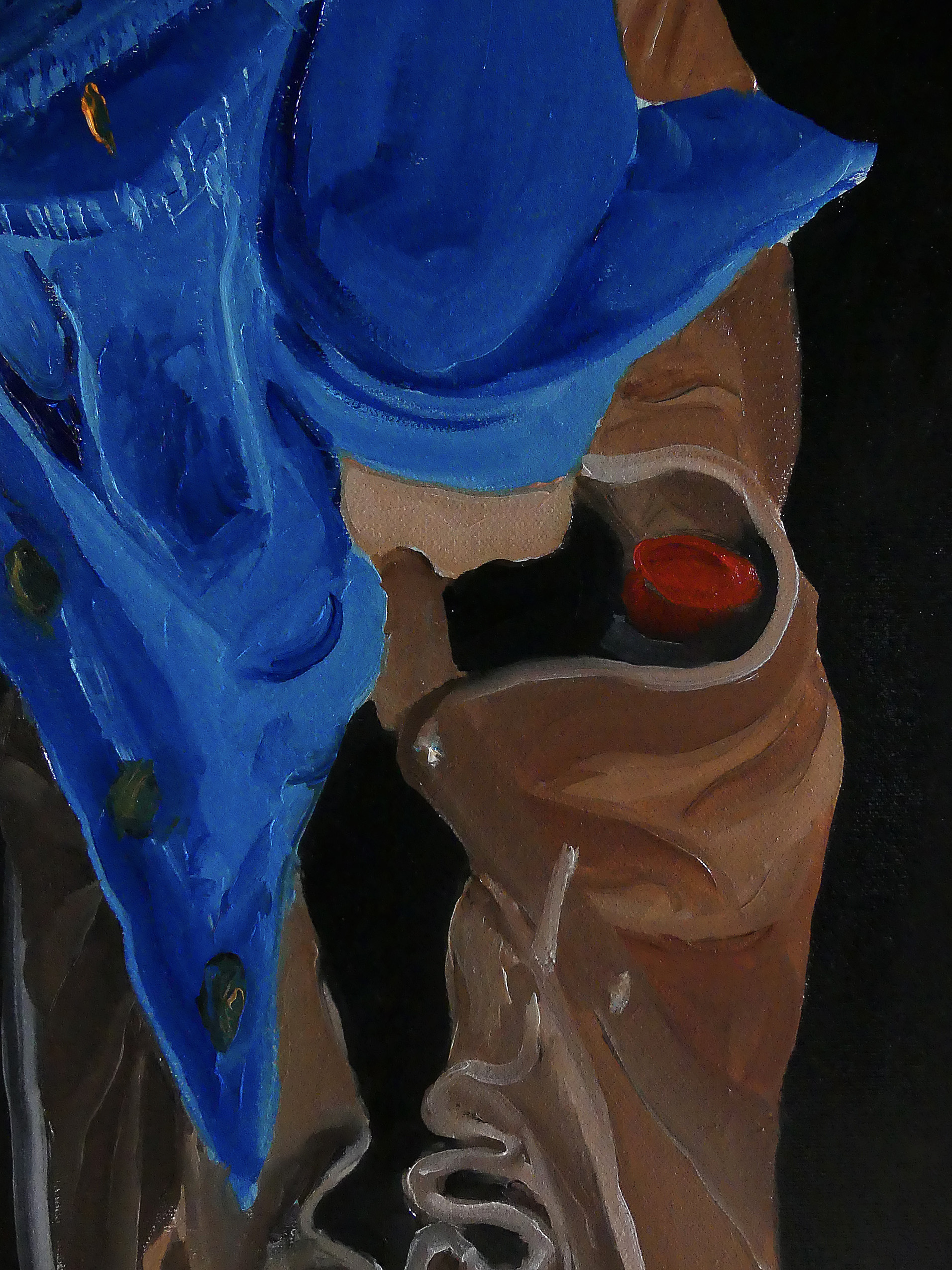
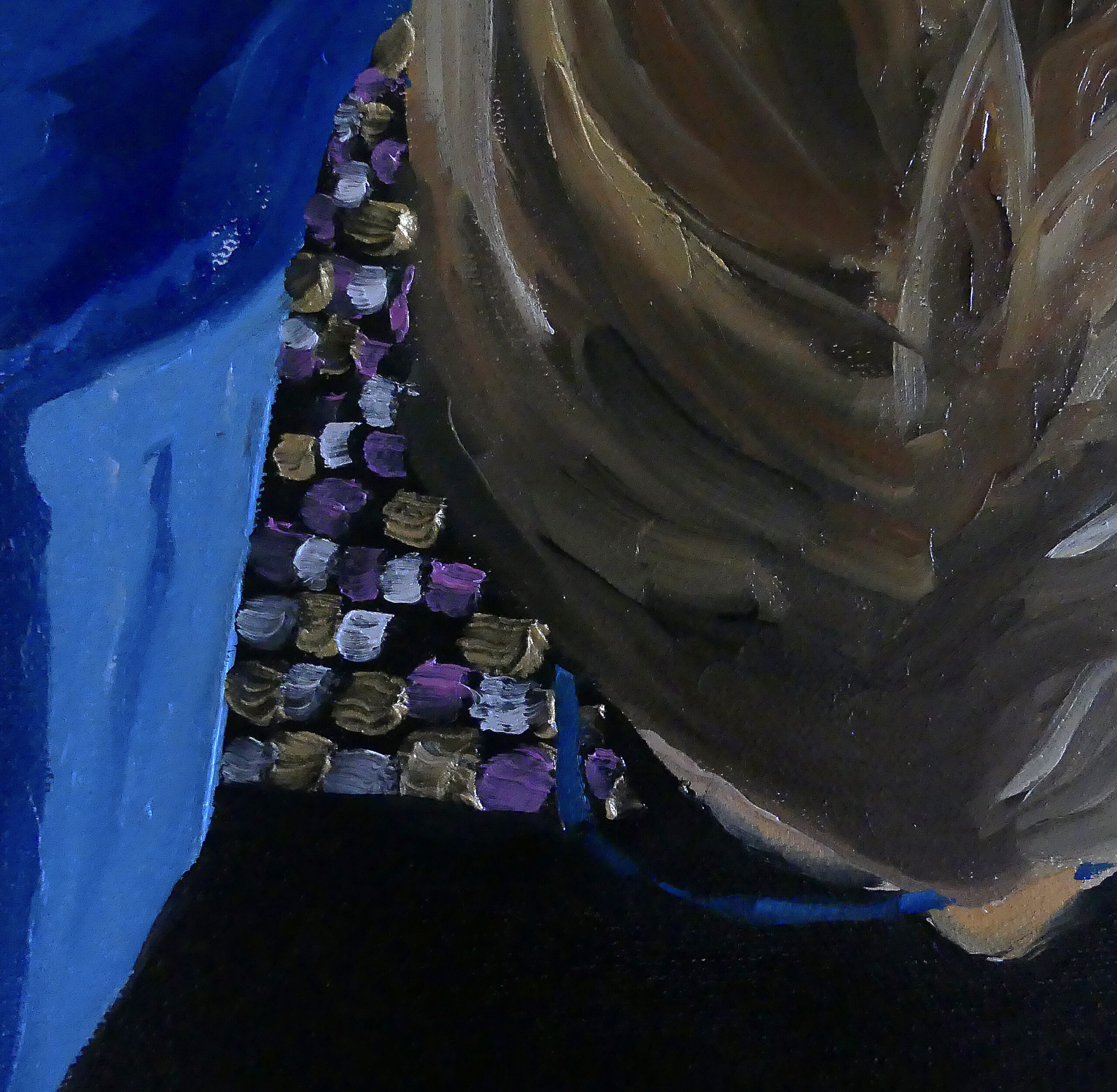
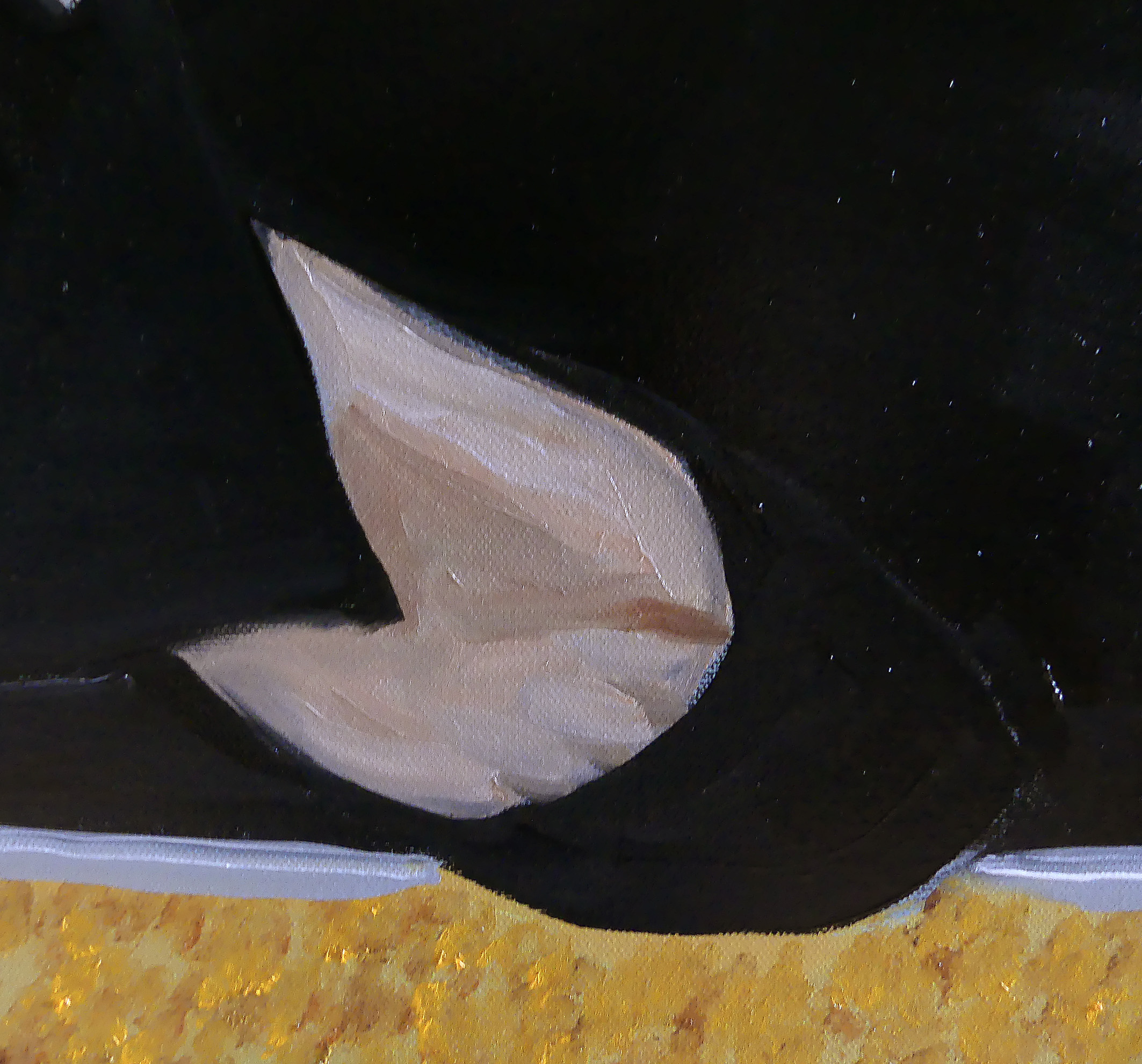
Parisian 2

huile sur toile, 89×116 cm

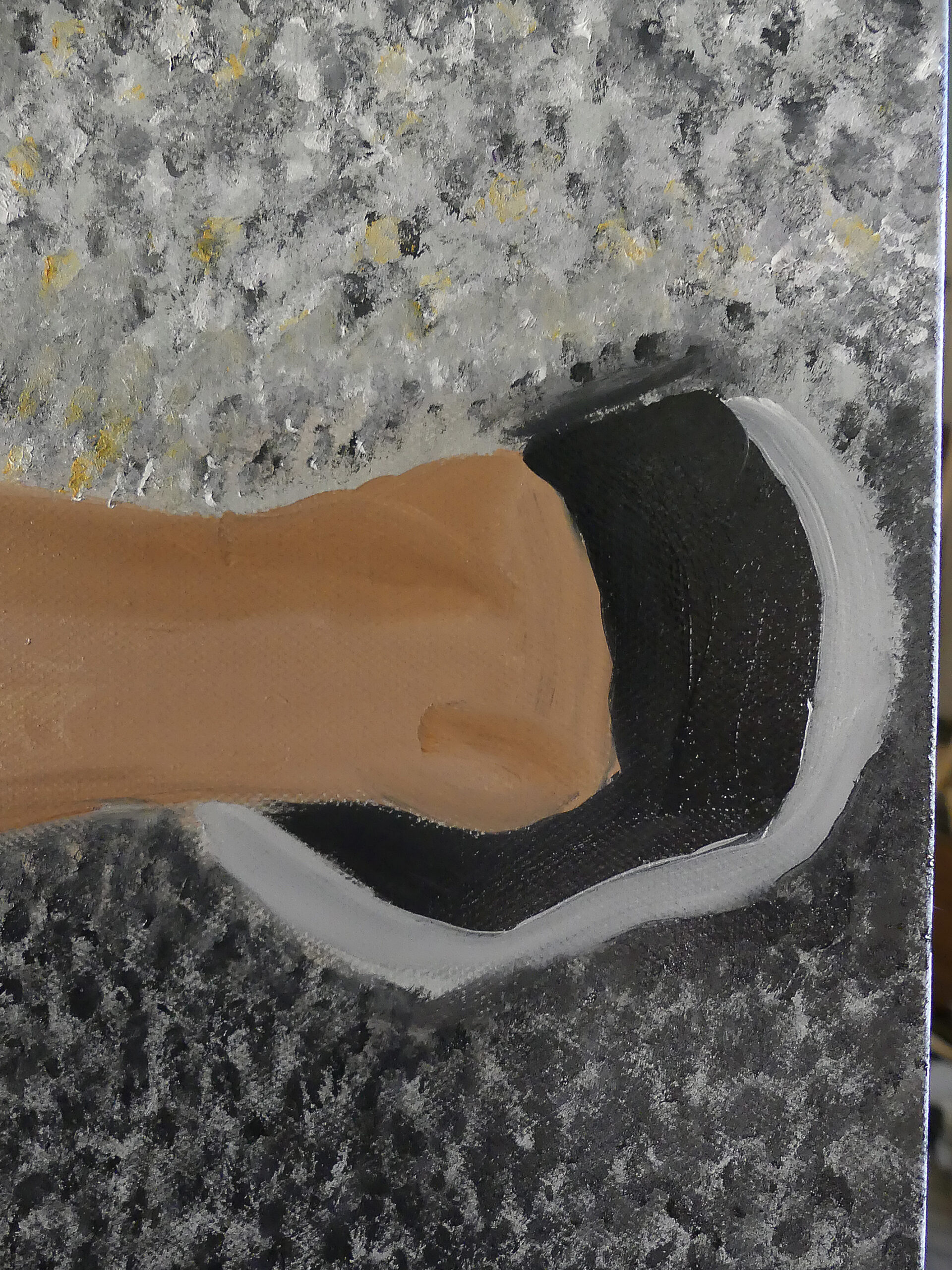
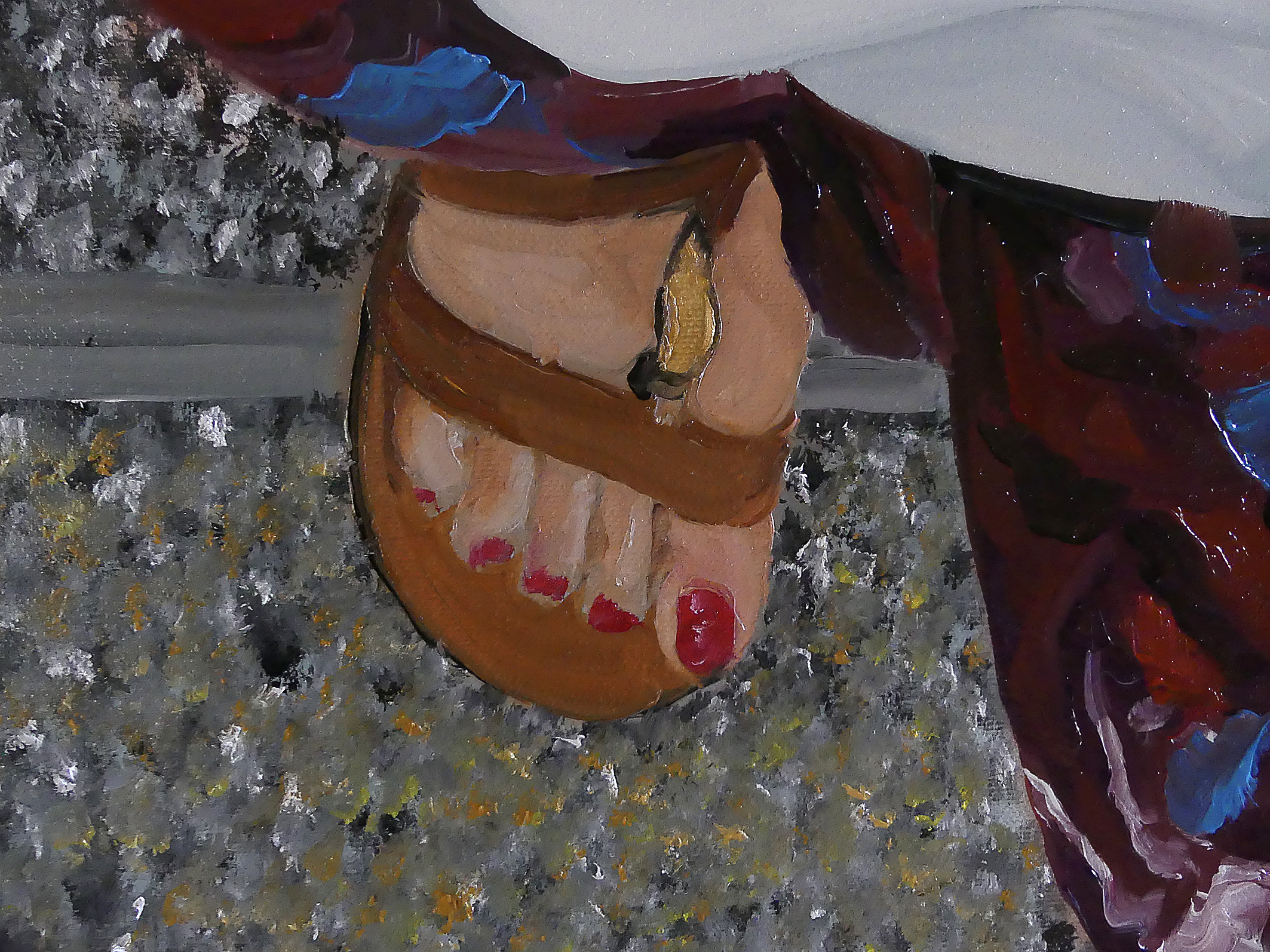
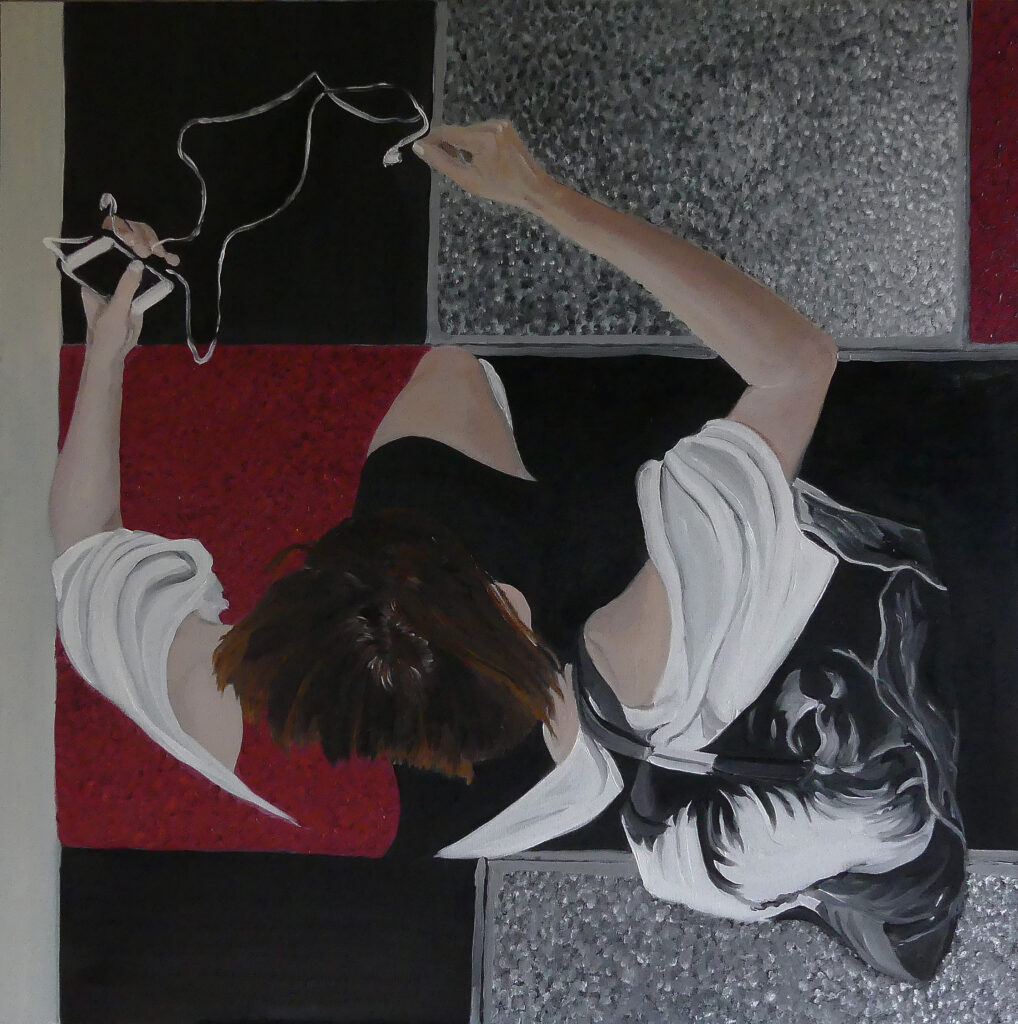
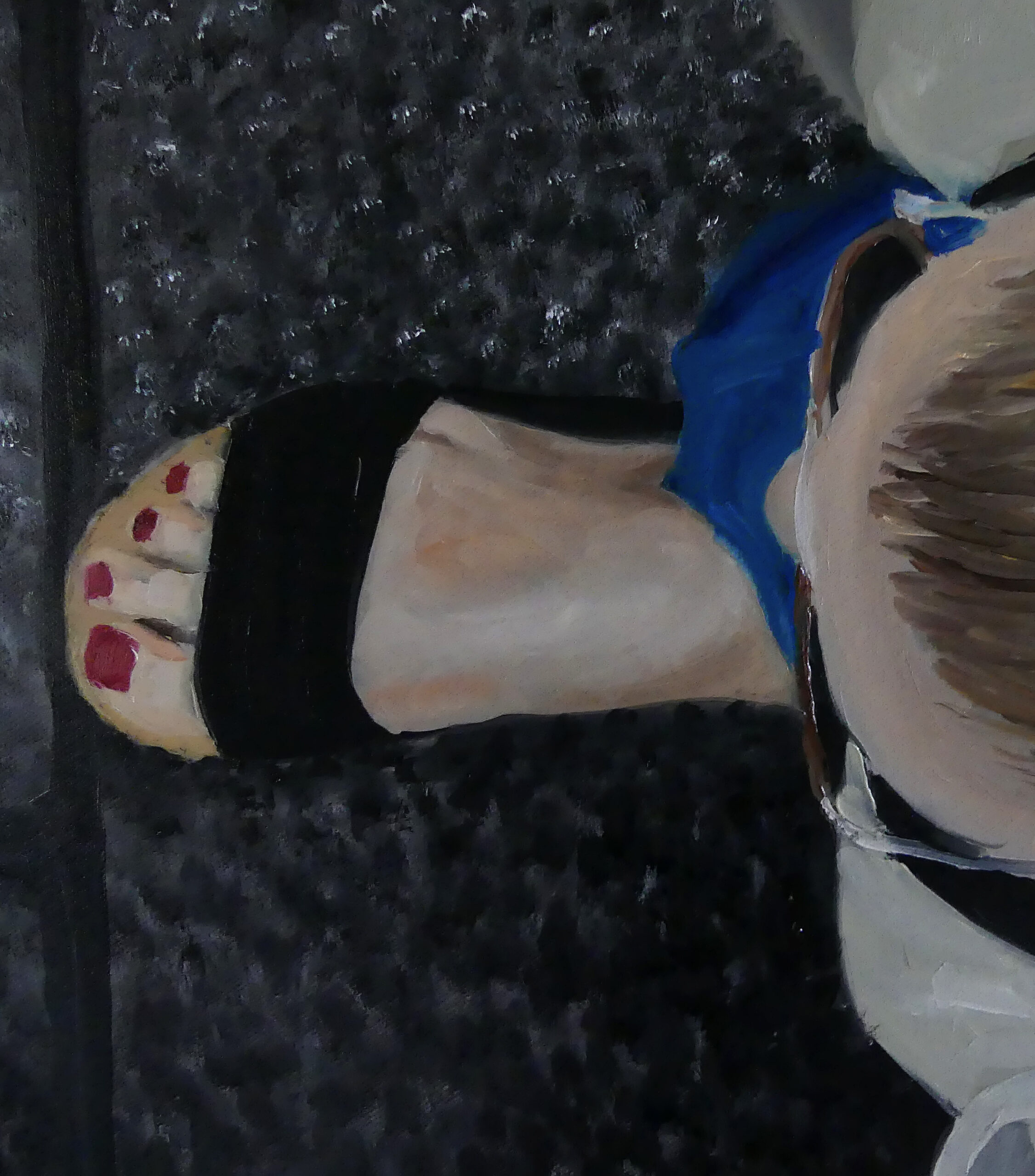
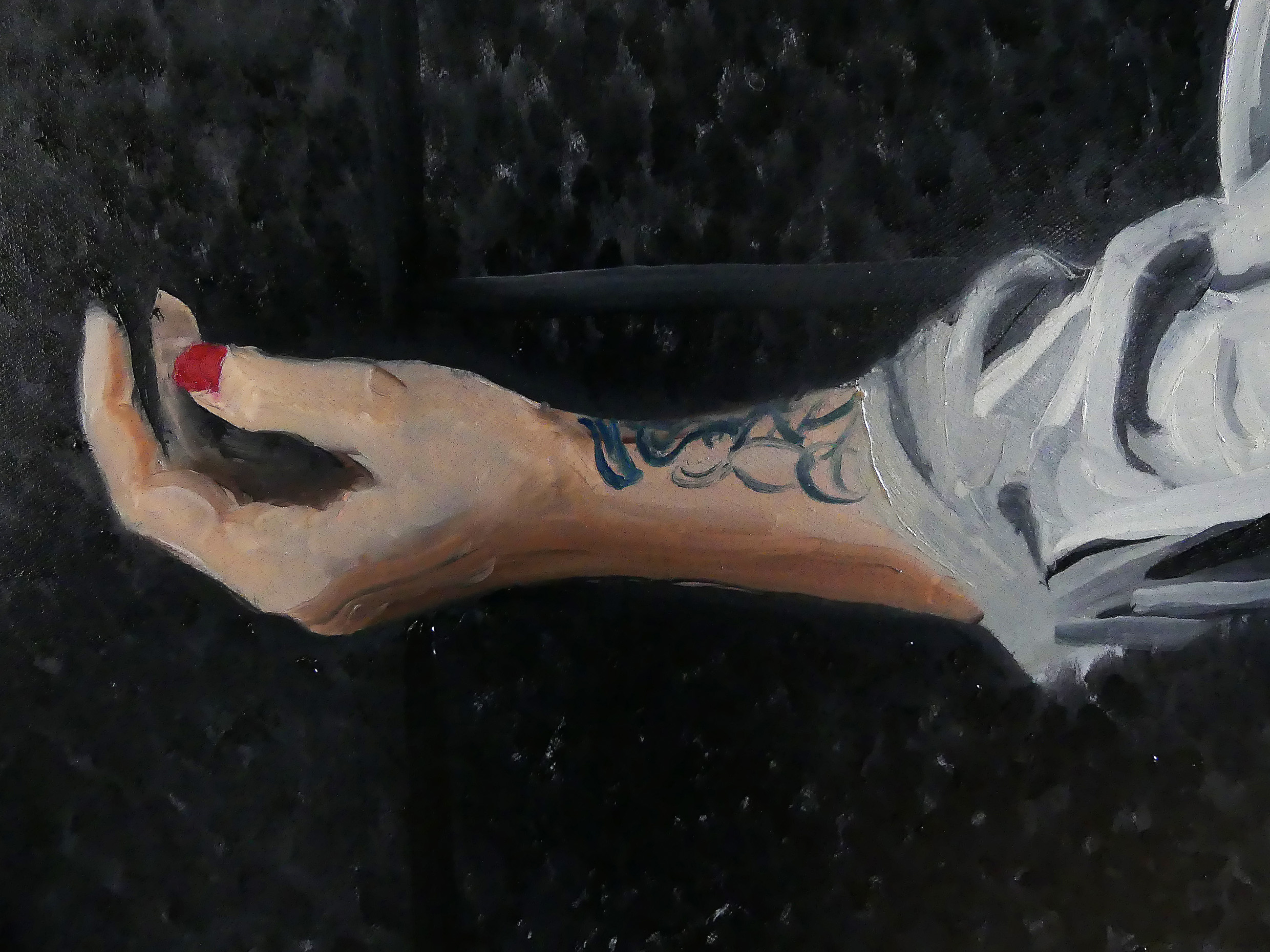
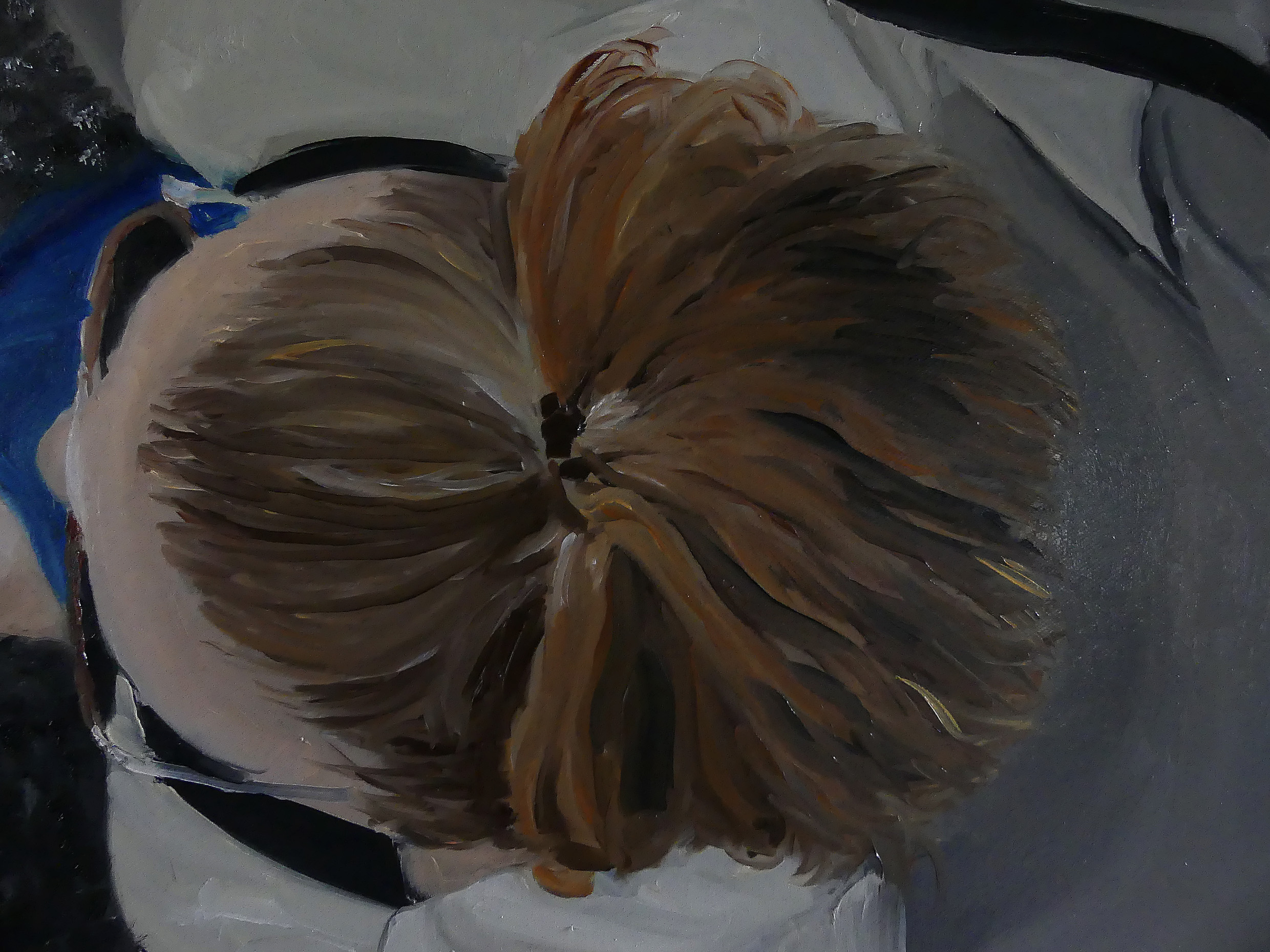
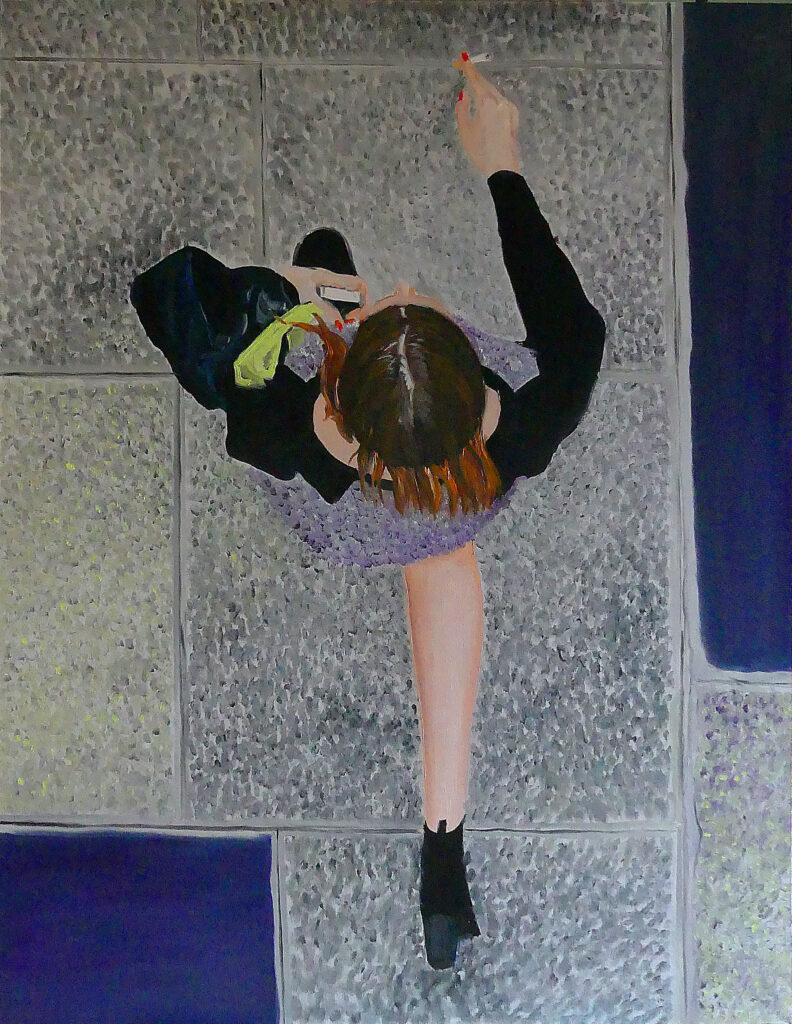
Alongside my series on forests, I wanted to create a series on the city. The Parisian women became the focus. In contrast to the forests, where the chaotic vegetation resists any formalization of vision, this is an apologia for form that draws me in here with these passersby caught in the mineral verticality of the city. For the ideality and abstraction of form are fundamentally urban. I understand that this famous landscape seen upside down, which opened Kandinsky’s path to abstraction, naturally led him to the geometric and mineral harmony of his later works.

Parisian 1

huile sur toile, 116×89 cm

Post-war painting, dominated by American Abstract Expressionism and its theorist Greenberg, made the surface the truth of the pictorial work. Woe to those who did not want to flatten themselves! Like the motif, the perspective space was sidelined, and painting, apart from strong figures like Lucian Freud, Francis Bacon, Martial Raysse (second period), and others yet to be recognized, detached itself from the world. One no longer had to see but first express. Here, I look at the surface and see Parisian women passing by who play at being abstractions…